Peanut Butter Honey Muffins

pb honey muffins


For the past three months, I haven’t eaten sweets. How, you ask, can a baker do such a thing? What would possess someone who clearly loves desserts to deny herself all manner of cakes, cookies, chocolates, and pastries for months? The simple answer is: her scale (which nearly got hurled out the window after Christmas). And so with only 14 days to go in Operation No Sweets ‘Til Denver (I’m going to Denver for work two weeks from now), I sought out something that was baked, but not dessert-like. Enter the peanut butter honey muffin.

One could argue that such a muffin is dessert-like, but it contains no sugar, only honey, so I put it in the same category as corn muffins or blueberry muffins; they are more of a breakfast item than a dessert (I mean, some people might have blueberry muffins for dessert, but I certainly wouldn’t).

Most of the time when I read a recipe, I have a good sense of how the finished product will taste. I expected far more peanut butter flavor in these muffins, which I’m sorry to say turned out bland. The original recipe called for only one cup of flour, but the batter was too runny, so I added about six generous teaspoons of additional flour, one at a time, to shore it up. I suspect that this may have altered the flavor, so next time I’d like to try adding crunchy peanut butter in a greater amount, and perhaps some brown sugar in addition to the honey to balance the texture.

Ingredients

  • 1 cup plus 5 to 6 generous teaspoons flour
  • 1 1/2 teaspoons baking powder
  • pinch of salt
  • 2 tablespoons vegetable oil
  • 3 tablespoons peanut butter
  • 3 tablespoons honey
  • 3/4 cup milk
  • peanut butter, honey, or honey butter for serving

Preparation

Preheat oven to 350 degrees

Line a muffin tin with 10 paper liners.

In a medium bowl, stir together baking powder, salt, and one cup of the flour.

Add vegetable oil, peanut butter, and honey; mix with a fork, using a cutting-in motion like you would for pastry, until crumbs form.

Add milk and stir together; add additional flour, 1 generous teaspoon at a time, until the batter is no longer runny.

Using a 2-inch cookie scoop, scoop batter into liners, filling about three-quarters full.

Bake 12-16 minutes, until tops are very lightly golden brown.

Cool on a wire rack or serve warm; I recommend serving with peanut butter and honey, or honey butter, to enhance the flavor.

Nut Bread

nut bread


Food historians speculate that quick breads originated in the United States during the Civil War, when food demands were high and bakers had neither the time nor the patience to wait for dough to rise in the traditional, yeast-based method. Yeast converts sugar into carbon dioxide and ethanol and causes the dough to rise, but quick breads rely on chemical leavening agents like baking soda and baking powder for rising purposes. Baking soda requires an acid, like lemon juice or buttermilk, while baking powder simply needs any liquid to begin its reaction.

Quick breads are versatile, welcoming creativity. This nut bread recipe uses both walnuts and almonds, but you could easily use pecans or hazelnuts. I’ve chosen not to identify nut bread as a “sweet,” since I have another six weeks to go in my mission not to eat treats; I’m thinking of nut bread as more muffin-like, since muffins are essentially quick breads baking in muffin tins.

Ingredients

  • 3 cups flour
  • 1 cup sugar
  • 1 tablespoon baking powder
  • 1/2 teaspoon salt
  • 1/4 teaspoon baking soda
  • 1 2/3 cup milk
  • 1 beaten egg
  • 1/4 cup cooking oil
  • 1/2 cup chopped walnuts
  • 1/2 cup chopped almonds

Preparation

Preheat oven to 350 degrees.

Place five miniature loaf pans on a cookie sheet; spray each with cooking spray.

In a large bowl, combine flour, sugar, baking powder, salt, and baking soda. Make a well in the center.

In a medium bowl, combine milk, egg, and oil; stir together and add all at once to the well in the center of the flour mixture and stir until just combined.

Fold in nuts.

Divide batter evenly among loaf pans.

Bake for 35 minutes, until tops are just golden and a cake tester comes out clean.

Cool on a wire rack.

Banana Bread

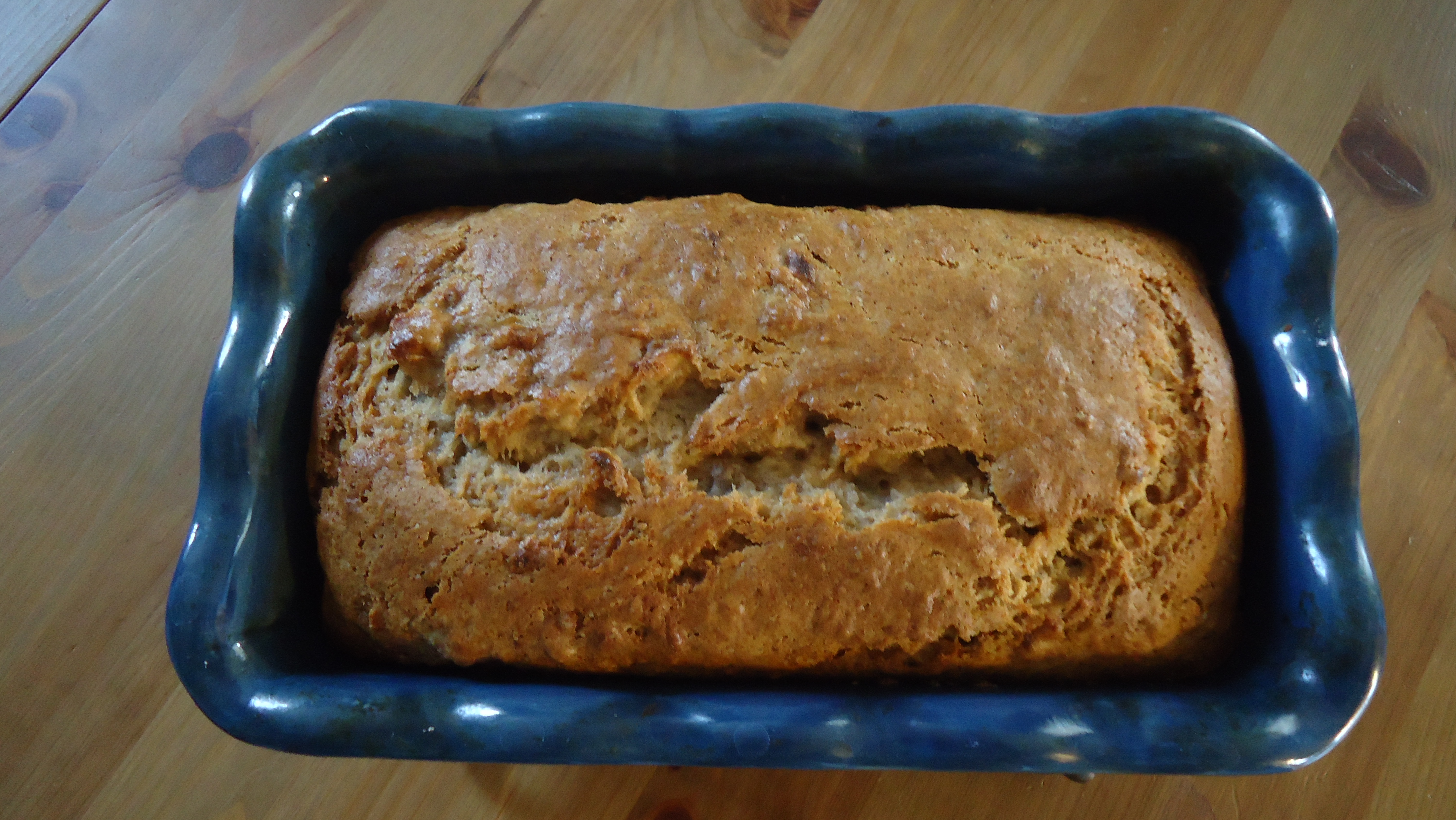
banana bread


In the 1930s, recipes for banana bread began to appear in American cookbooks. Some culinary historians cite the availability of baking soda and baking powder as the impetus for this treat, while others believe it came simply from the kitchen of an enterprising and thrifty gal who didn’t want her overripe and hard-earned bananas to go to waste. I’d wager that both are the truth, and being a thrifty baker myself, applaud the woman who mashed up her spotty bananas and whipped up the first heavenly-scented loaf of banana bread.

Banana bread is simple, and very easy to make. Being a quick bread, there is no yeast, kneading, or rising time involved; the whole process, from mixing bowl to table, takes about an hour. Banana bread can be served warm but many bakers, myself included, believe that it tastes better after a day or so, when the flavors have had time to settle.

Ingredients

  • 1 1/2 cups flour
  • 1 1/2 teaspoons baking powder
  • 1/4 teaspoon baking soda
  • generous 1/4 teaspoon cinnamon
  • 1 egg
  • 3 medium very ripe bananas, mashed
  • 3/4 cup sugar
  • 1/4 cup vegetable oil

Preparation

Preheat oven to 350 degrees.

Grease an 8x4x2 loaf pan and set aside.

In a medium bowl, combine flour, baking powder, baking soda, and cinnamon.  Make a well in the center and set aside.

In another medium bowl, combine egg, mashed bananas, sugar, and vegetable oil.

Pour into flour mixture and stir until combined.

Pour into loaf pan and bake for about 50 minutes, until a cake tester comes out clean; check the bread at about 40 minutes to make sure the top isn’t browning too quickly; if it is, make a tent of aluminum foil and cover the bread until it is through baking.

Cool completely in the plan.


Pumpkin Bread


Pumpkins claim a place of honor in fairy tales, folklore, and popular culture unparalleled by other vegetables. Cinderella traveled in style in her pumpkin coach. Jack Skellington, of Nightmare Before Christmas fame, was proclaimed the Pumpkin King. The Headless Horseman hurled a pumpkin in The Legend of Sleepy Hollow. Harry Potter and his friends enjoyed pumpkin juice in the Hogwarts dining hall. Linus missed trick-or-treat fun on Halloween night waiting for the Great Pumpkin to appear—and all that came was a beagle.

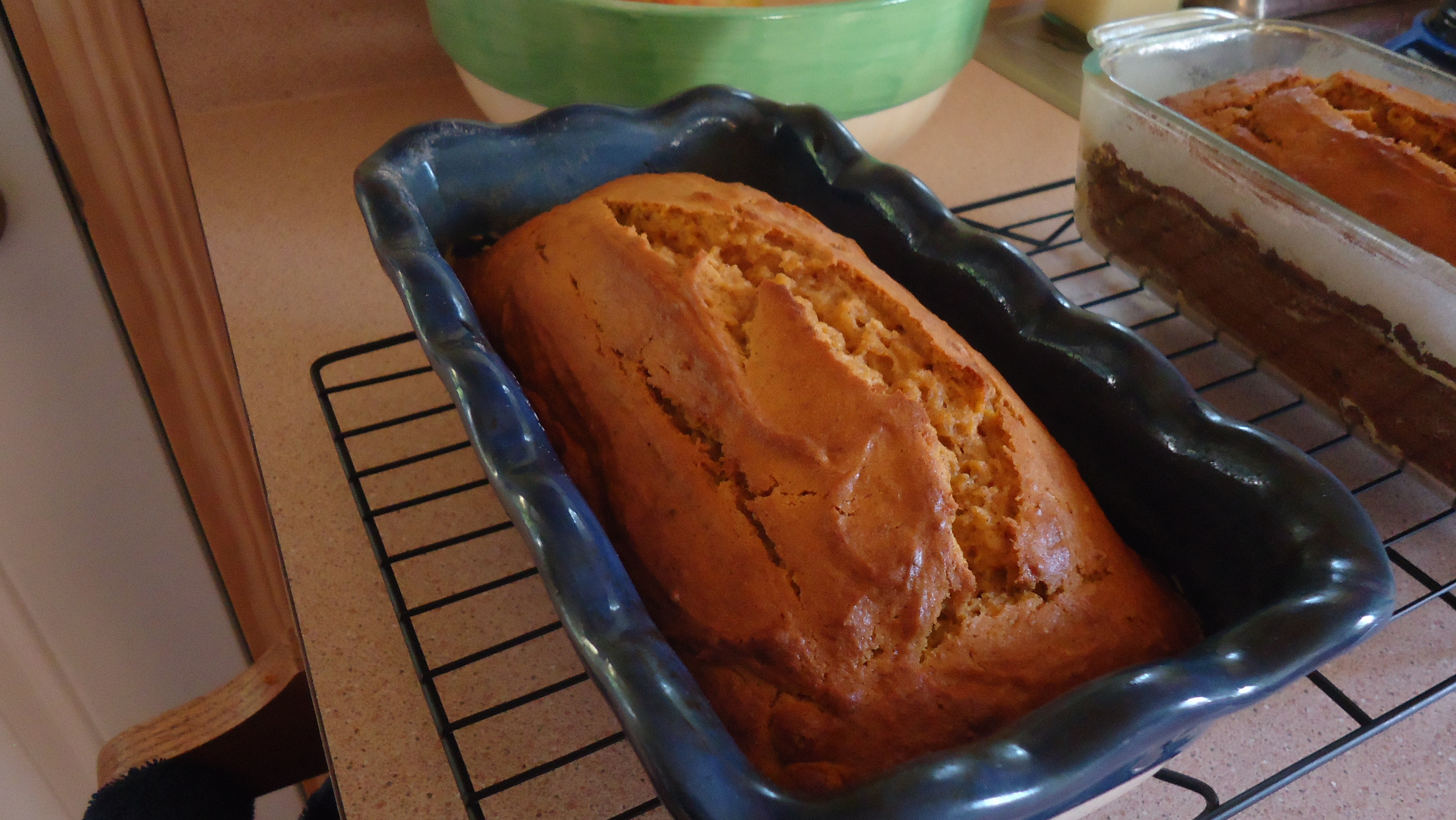
These whimsical squashes are both cute and tasty, which is likely why we decorate, celebrate holidays, and cook and bake with them. This was my first experience baking pumpkin bread, and I adapted the recipe from another that I found online, substituting cinnamon, nutmeg, and cloves for ginger. Next time, I plan to add chocolate chips to the batter for an extra hint of sweetness and perhaps some toasted pecans for crunch. Once they cool, I may even drizzle them with powdered sugar icing.

Ingredients

  • 2 1/2 cups flour
  • 2 teaspoons baking powder
  • 1 teaspoon salt
  • 1 teaspoon cinnamon
  • 1/2 teaspoon nutmeg
  • 1/2 teaspoon cloves
  • 1 cup sugar
  • 1 cup packed brown sugar
  • 12 tablespoons butter, melted
  • 15 ounces canned pumpkin (not pumpkin pie filling)
  • 3 eggs

Preparation

Preheat oven to 375 degrees.

Grease and flour two 8 x 4 loaf pans; set aside.

In a large bowl, combine flour, baking powder, salt, cinnamon, nutmeg, and cloves; mix well.

In another large bowl, combine sugar, brown sugar, butter, pumpkin, and eggs; mix well.

Add pumpkin mixture to flour mixture and stir until combined.

Divide batter evenly between the loaf pans; I used a measuring cup to scoop about three cups of batter into each pan.

Bake for 50-60 minutes, until a cake tester comes out clean. You may have to cover the loaves later in baking, after about 45 minutes, to prevent them from over-browning.

Cool completely in loaf pans.

Drizzle with powdered sugar icing if desired; combine two cups sifted powdered sugar with one teaspoon vanilla extract and one to two tablespoons of water until you reach a drizzly consistency, then pour over loaves.


Poppy Seed Roll – A Tribute to Grandma Zella


My grandmother, Gizella Bodnar Kozusko, passed away this week. She was 89 years old. I honor her today with poppy seed rolls, one of my favorite treats she used to bake.

Zella was born on New Year’s Day in 1923 in Budapest. At the urging of his enterprising brother, my great-grandfather Michael Bodnar brought his family to Duquesne, the mill town in Pittsburgh’s Monongahela Valley that was home to the world’s largest blast furnace. They used to dust the house twice a day, Zella told me, to clean away the soot. After high school Zella worked as a secretary at the steel mill; she met my grandpap, Andy Kozusko, at a dance at Kennywood Park. Andy, a handsome sailor in the US Navy, was so enamored with Zella that he paid his friends so they wouldn’t ask her to dance. Andy and Zella married in 1945 and borrowed ration coupons from neighbors to cater their reception. Her wedding dress and his Naval uniform are carefully wrapped in tissue paper in the cedar chest in my bedroom.

In my grandparents’ tidy home, I learned to make chicken soup with homemade noodles. I sat at the kitchen table with my grandpap, eating freshly-picked blackberries sprinkled with sugar. In the cellar on warm summer nights, I helped my grandma make fried zucchini. I listened to the strange language of the radio announcer during the Slovak music program on Sunday afternoons, twirling around in my grandpap’s arms to the polka. I set the table with my grandma’s good dishes, turned up my nose at pickled pigs’ feet, and ate cold ham on Easter and Christmas.

In my grandparents’ house, I learned to say “I love you” in Hungarian and Slovak.

Szeretlek, Grandma. I will miss you.

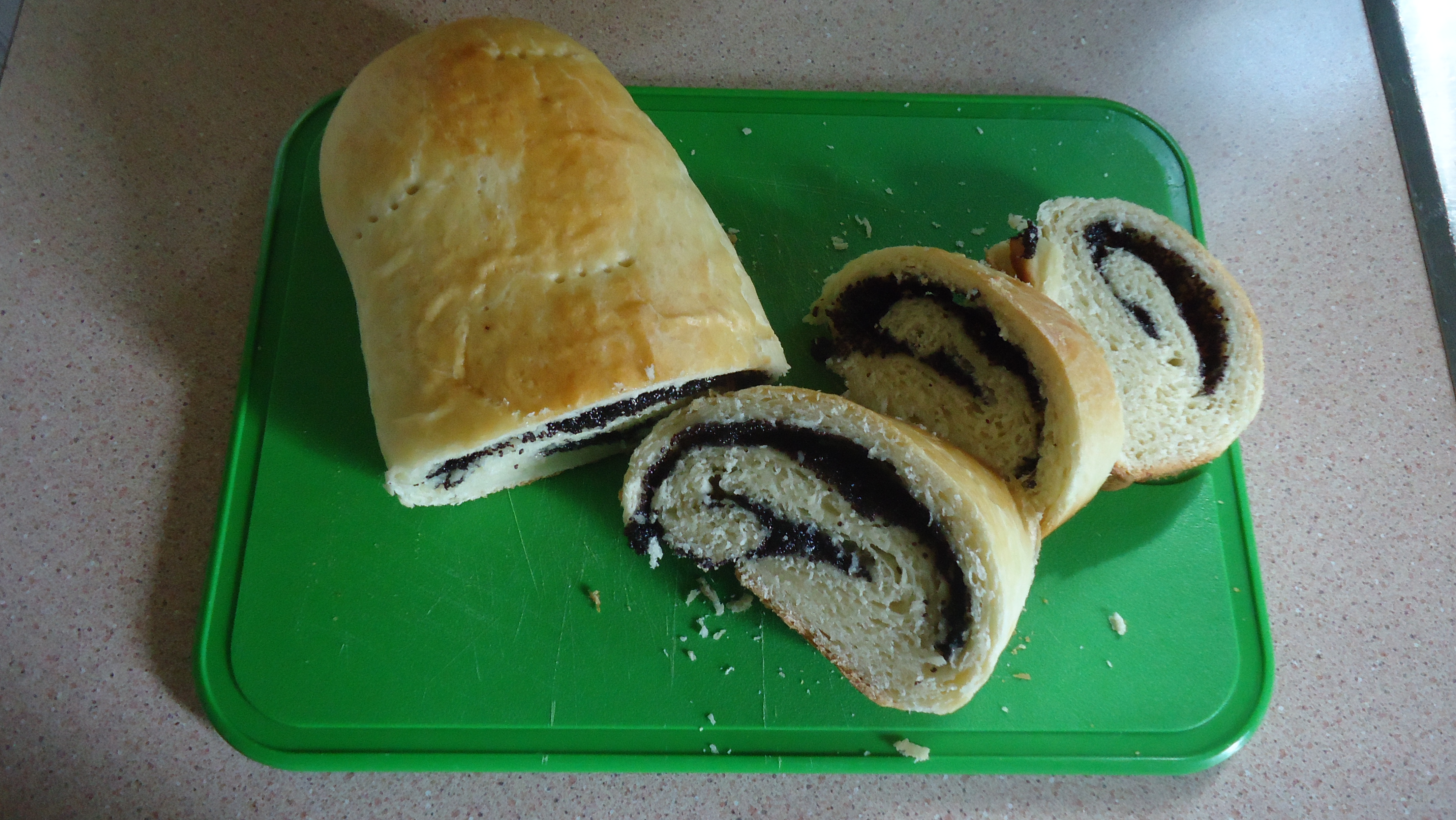
Poppy Seed Roll

Ingredients

  • 6-7 cups flour
  • 3 tablespoons sugar
  • 2 packs active dry yeast (1/4 ounce each)
  • 1 teaspoon salt
  • 8 ounces sour cream
  • 1 cup butter
  • 1/2 cup water
  • 3 eggs, lightly beaten
  • 1 1/2 jars poppy seed filling (about 15 ounces)
  • 1 beaten egg and 1 tablespoon water, for egg wash

Preparation

Lightly grease a large bowl and set aside.

In a mixing bowl fitted with the paddle attachment, combine two cups flour with the sugar, yeast, and salt.

In a medium saucepan, combine sour cream, butter, and water. Heat to 120-130 degrees, then combine with flour mixture and beat for two minutes.

Add 1/2 cup flour and eggs and beat for two minutes.

Using a wooden spoon, stir in enough additional flour to make a soft dough, about two and a half to three cups.

Turn dough onto a lightly floured surface and knead for 9-10 minutes, until smooth and elastic.

Place in the greased bowl; turn once to coat, and let rise until doubled in size, about 1 hour.

Punch dough down and divide into four portions; roll portions into balls, then roll out into 10×10 rectangles.

Using a tablespoon from your flatware, scoop about two to two and a half heaping spoonfuls of filling onto the center of the dough.

Using a small offset spatula or butter knife, spread a thin layer of filling to within one inch of the edges.

Roll up into a log, carefully pinching the seams and edges closed.

Place into greased loaf pans and/or baking pans; I use two standard loaf pans and one 9×13 baking pan in which I bake two rolls.

Cover and let rise until doubled in size, about one hour; I preheat my oven during this time to help speed the process.

Brush each roll with egg wash, then prick with a fork to let steam escape during baking.

Bake for 20-25 minutes or until lightly browned.

Cool before cutting and serving.

Banana Pecan Chocolate Chip Bread


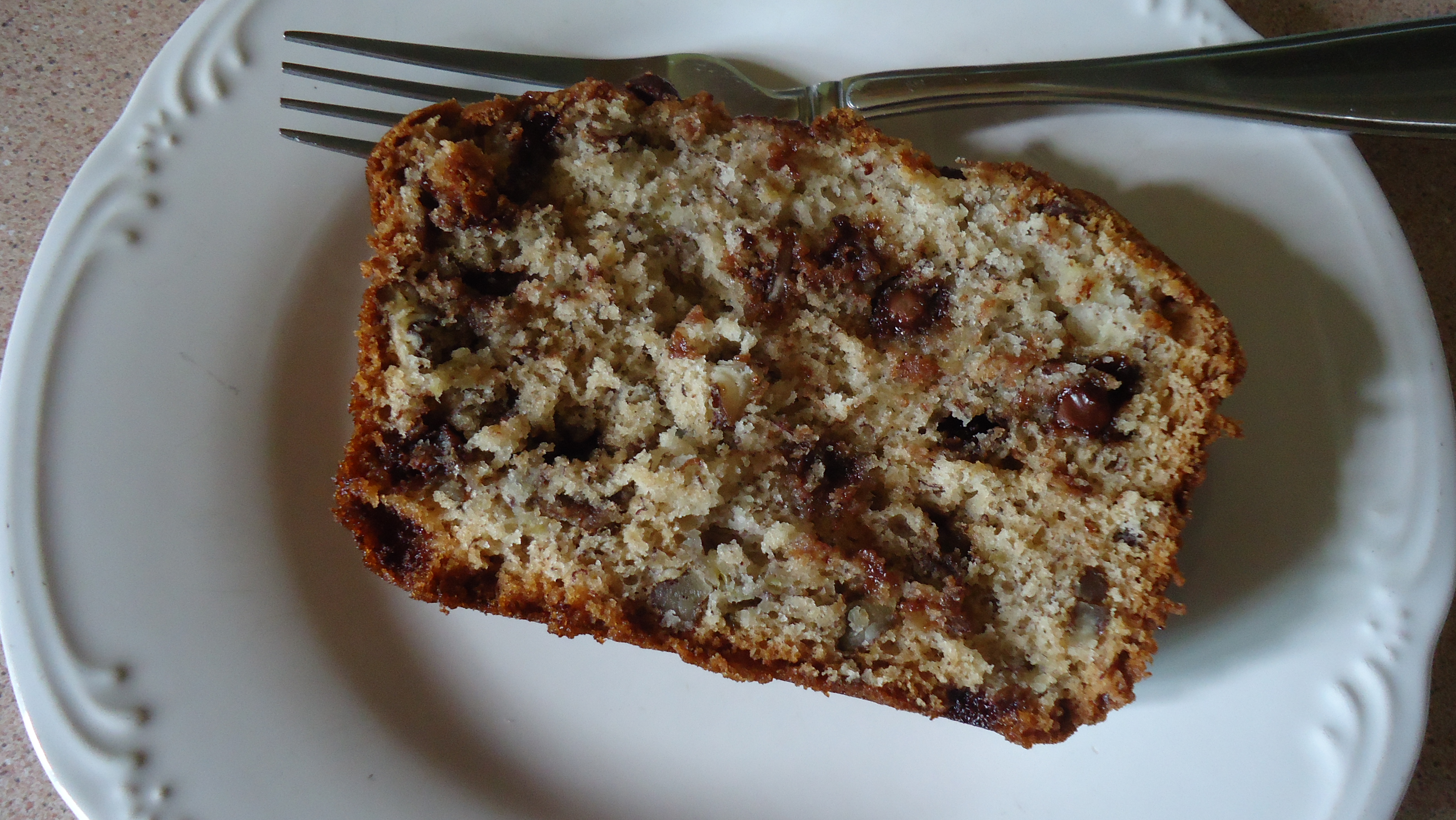
Some recipes are easy to embellish, and this recipe is one of those.  Take basic banana bread, add some nuts and chocolate chips, and you have a whole new treat.  I used pecans and milk chocolate chips, but you could certainly use walnuts and semi-sweet if you like.

I think one of the things that draws me to baking-other than the predictability of the outcome-is the possibility of creativity, and how there are endless ways to make a recipe more interesting.  Add flavoring to cake batter, and you change the cake.  Add nuts to brownie batter, and you change the brownie.  There’s something oddly liberating in that, in imagining the possibilities.

Ingredients

  • 1 1/2 cups flour
  • 1 1/2 teaspoons baking powder
  • 1/4 teaspoon baking soda
  • generous 1/4 teaspoon cinnamon
  • 1 egg
  • 3 medium very ripe bananas, mashed
  • 3/4 cup sugar
  • 1/4 cup vegetable oil
  • 1/2 cup chopped pecans
  • 1/2 cup milk chocolate chips

Preparation

Preheat oven to 350 degrees.

Grease an 8x4x2 loaf pan and set aside.

In a medium bowl, combine flour, baking powder, baking soda, and cinnamon.  Make a well in the center and set aside.

In another medium bowl, combine egg, mashed bananas, sugar, and vegetable oil.

Pour into flour mixture and stir until combined.

Add pecans and chocolate chips and stir to incorporate.

Pour into loaf pan and bake for 50-55 minutes, until a cake tester comes out clean.

Cool in pan or serve warm.

Lemon Poppy Seed Muffins


We’ve discussed my sincere appreciation for lemons previously on this blog, and now I must take a moment to acknowledge poppy seeds.  As a gal with Eastern European roots, I feel that poppy seeds are the seeds of my people.  Slovaks and Hungarians are crazy about poppy seeds.  We grind them into dust and cook them with sugar and water to slather inside dough for poppy seed rolls.  We put them on breads and in muffins.  My dear friend Tara (to whom I would swear I am related, perhaps as a distant fourth-cousin) always offers a poppy seed cake as a condolence at wakes, as is her family tradition.

The person who wrote the recipe below claimed that it yielded 12 muffins when baked in a standard muffin tin.  I’m not sure in which universe a recipe with three cups of flour only yields 12 muffins, but hey, I’m not going to judge.  I tweaked the recipe slightly and added more lemon zest for extra flavor, and when all was said and done, I had 27 muffins.

A note about poppy seeds: they can turn rancid when not stored properly or used in a timely manner, so they must be frozen or kept in the refrigerator.  I keep my seeds in the fridge for up to six months; they should remain blue-black in color and retain their poppy seed smell when fresh.  If they look or smell suspicious, throw them out.

Ingredients

  • 3 cups flour
  • 1 tablespoon baking powder
  • ½ teaspoon baking soda
  • ½ teaspoon salt
  • 2 tablespoons poppy seeds
  • 10 tablespoons butter, softened
  • 1 cup sugar
  • 2 eggs
  • 12 ounces plain yogurt (I used Stonyfield Organic)
  • 2 tablespoons lemon zest

For lemon glaze:

  • 1 cup powdered sugar
  • About 3 ½ tablespoons lemon juice

Preparation

Preheat oven to 375 degrees.

Line two 12-cup muffin tins with paper liners.

Whisk together flour, baking powder, baking soda, salt, and poppy seeds; set aside.

In a mixing bowl, cream together butter and sugar.

Add eggs, one at a time, beating until combined.

Add lemon zest, beating until combined.

Add the flour mixture and yogurt in thirds, alternatively, beating until just combined – take care to not over-mix your batter.

Using a 2-inch cookie scoop or two tablespoons, drop batter into lined muffin tins, distributing batter evenly.  Refrigerate any extra dough while the first two batches bake.

Bake for 25 minutes or until a toothpick comes out clean.

Cool for two minutes in tins, then remove to a wire rack.

Prepare lemon glaze; place powdered sugar in a medium bowl and add lemon juice, one tablespoon at a time, until you achieve a very, very drizzly consistency; I used about 3 ½ tablespoons of juice.

While muffins are still warm, brush the tops with the lemon glaze.  Muffins can be glazed a second time if you wish.

Nut Roll Update


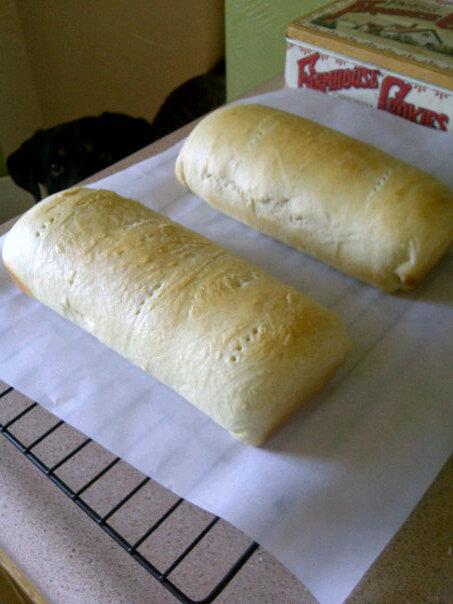
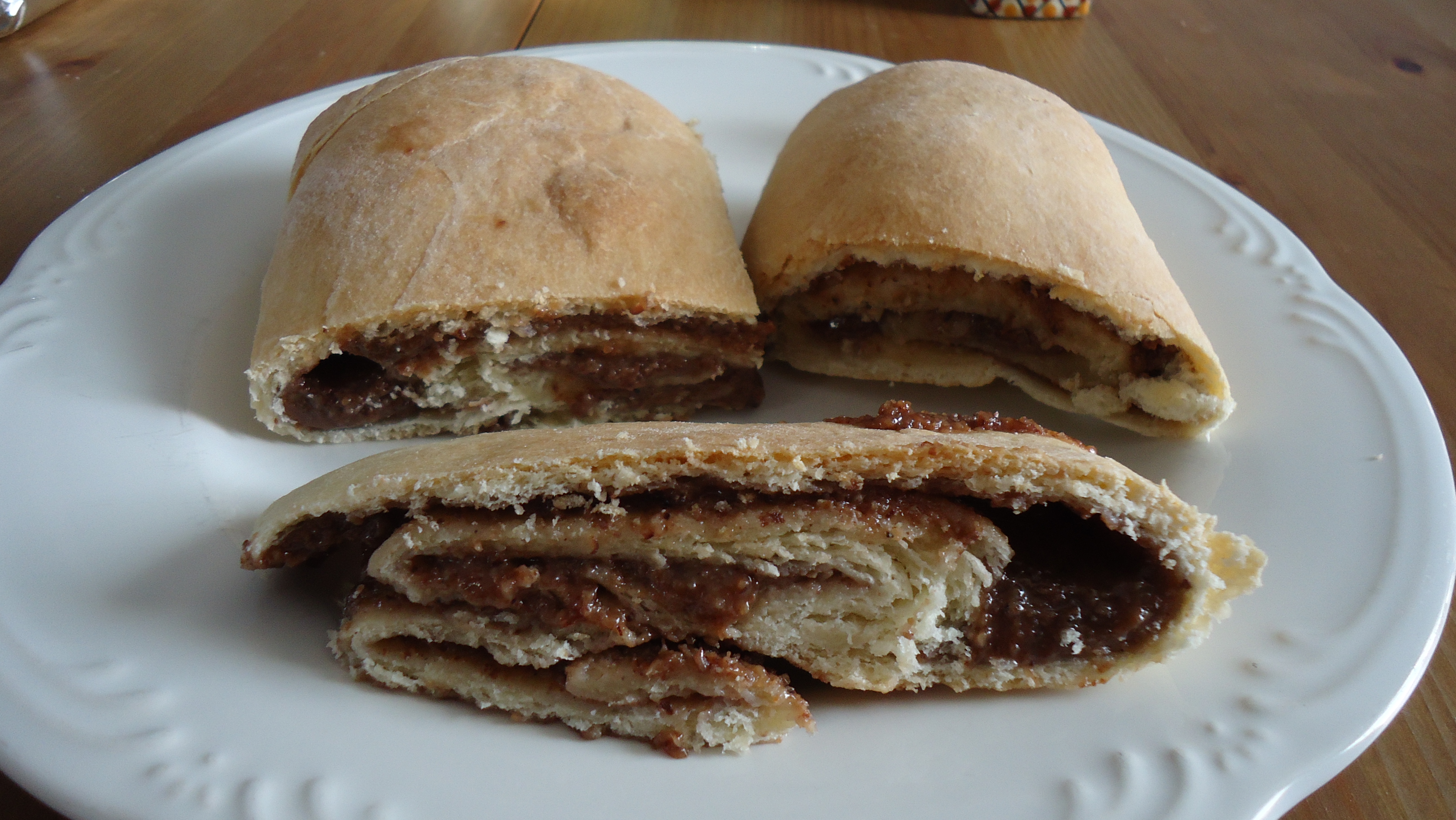
Just a brief update from the nut roll front.  Using the same recipe as last time, I successfully baked three nut rolls without them splitting open!  While one roll did split, I’m very happy with this outcome. Apparently so is Millie, my dog, who can be seen peeking up at the counter in the photo above.

This time, I used a few new tricks, including:

  • Using the paddle attachment to mix my dough;
  • Kneading the dough for about nine minutes, rather than the standard six to eight;
  • Rolling the dough to approximately 10×10;
  • Using much less filling, perhaps a quarter-cup, in each roll;
  • Pricking the tops of each roll with a fork to vent the steam;
  • Brushing each roll with an egg wash of one whole egg mixed with water; and
  • Perhaps most importantly, baking two of the rolls in lightly greased loaf pans; these definitely held up better than the two rolls that were baked on baking sheets.

Stay tuned for more adventures in nut roll!


Nut Roll


Food is a powerful link to heritage and cultural tradition.  My paternal grandparents, Andy and Zella Kozusko, prepared many Slovak and Hungarian foods at holidays, and while I refused to eat pig’s feet, hrudka (eggs and milk cooked together to make a sort of “cheese”), and hard-boiled eggs soaked in beet juice, I always loved nut roll.  Zella made nut rolls and poppy seed rolls each Christmas and Easter, and I planned to use her recipe, which called for fresh yeast, for this baking adventure.  I did a bit of reading about fresh yeast, and learned the hard way that when the yeast experts say fresh yeast is highly perishable, they really mean it.  The cake I bought went moldy in less than a week, even though it wasn’t anywhere near its expiration date.  Oh well.

Since I had plenty of active dry yeast, I found another recipe online and used jars of nut filling instead of making my own from scratch.  While these turned out to be very tasty, all but one of my four rolls split while baking, oozing filling out the sides.  Next time, I think I’ll make my own filling, not roll the dough as thin, and not spread the filling on as thick.  I also hope to learn the secrets of perfect nut roll preparations from a friend of my mom’s who bakes them each Christmas with his family, which Mike jokingly called my “nut roll internship.”  I can only hope!

Ingredients

  • 6-7 cups flour
  • 3 tablespoons sugar
  • 2 packages active dry yeast (1/4 ounce each)
  • 1 teaspoon salt
  • 8 ounces sour cream
  • 1 cup butter, softened
  • ½ cup water
  • 3 eggs, lightly beaten
  • 3 jars nut filling

Preparation

Grease a large bowl and set aside.

In a mixing bowl, combine two cups flour with the sugar, yeast, and salt.

In a medium saucepan, combine butter, sour cream, and water.  Heat to 120 – 130 degrees, then combine with flour mixture and beat for two minutes.

Add ½ cup flour and eggs.  Beat for two minutes.

Using a wooden spoon, stir in enough flour to make a soft dough, then turn onto a floured surface and knead until smooth and elastic, about 8 minutes.

Place in greased bowl, turning over once to coat, and let rise until doubled in size.

Line two baking sheets with parchment paper.

Punch dough down and divide into four portions; form each portion into a ball, then press it down and roll it into a 12×12 square.

Spread each square with a thin layer of nut filling, leaving an edge of about 1 inch on each side.  Roll up into a log, pinching the seam to seal it and carefully tucking the ends under.  Place seam-side down on the baking sheet.

Cover and let rise in a warm place until doubled in size; I preheat my oven while the dough is rising to help it along.

Bake at 350 degrees for 20-25 minutes, until lightly browned.

Cool on parchment on wire racks.

Challah


Shabbat Shalom, my friends!  Let’s continue our adventures in interfaith baking with challah, the traditional braided bread of Shabbat.

This recipe is a labor-intensive, yet rewarding pursuit that yields two challot.  It requires a commitment to several minutes of kneading, then a few hours of patience as the dough rises, rests, and rises again.

Mike is a Reform Jew, and we do not follow kashrut, or dietary laws, which include never mixing meat and dairy in the same meal.  I am no kashrut expert, but those following kashrut would not serve bread made with milk and butter with a meat meal; I have read that this recipe can be converted to pareve, or neutral, by using water and pareve margarine.

Ingredients

  • 4 ½ to 5 cups flour
  • 1 package active dry yeast
  • 1 1/3 cups milk
  • 3 tablespoons butter
  • 3 tablespoons sugar
  • ½ teaspoon salt
  • 2 eggs
  • 1 egg yolk, well-beaten, for brushing on loaves

Preparation

Lightly grease a large bowl; set aside.

In a mixing bowl, combine yeast with two cups flour.

In a medium saucepan, combine milk, butter, sugar, and salt.  Heat until just warm, and butter is almost melted.

Pour milk mixture into flour mixture, then add eggs.

Beat on medium speed for 30 seconds, then scrape the sides of the bowl and beat on high speed for three minutes.

Remove mixing bowl from mixer stand; add two additional cups of flour, one cup at a time, and stir with a wooden spoon until well-combined.

Turn dough onto a lightly floured surface and measure out 1 additional cup of flour to incorporate as you knead the dough.  You may need as little as an additional half-cup, or as much as the whole cup, depending on the texture of your dough.

Knead for 6-8 minutes, until dough is smooth and elastic.

Place dough in greased bowl and turn over to coat both sides.  Let rise in a warm place until doubled in size, about 1 hour.

Punch dough down and turn out onto a lightly floured surface.  Divide into six even portions and let rest for 10 minutes.

Roll each portion of dough into an 18-inch rope and place individual ropes on a baking sheet.  Braid two sets of three ropes together to form two separate loaves; be sure to tuck in the ends so they don’t come apart.  Cover and let rise for 30 minutes.

Preheat oven to 375 degrees.

Brush loaves with egg yolk.

Bake for 25-30 minutes, until the loaves sound hollow when tapped.

Cool on a wire rack.