Almond Poppy Seed Loaf Cake

Poppy seed-related baking reminds me of my dear grandma Zella, the woman who taught me how to bake when I was a kid. She was Hungarian, and poppyseeds are prevalent in Eastern European baking; she certainly made a delicious poppy seed roll at Easter.

This loaf cake is a simple and tasty creation that I bet my gram would have loved. I found the recipe at Crazy for Crust, and for a moment I thought about adding lemon zest into the batter. Lemon and poppy seed are great together, but I’m glad I left this with its simple combination of almond and poppy instead – it was absolutely delicious. I did add more almond extract than the original recipe, because I like a stronger almond flavor.

Ingredients

For the cake

  • 1 1/2 cups flour
  • 1 teaspoon baking powder
  • 1/4 teaspoon salt
  • 8 tablespoons unsalted butter, melted
  • 1 cup sugar
  • 3 eggs
  • 1 teaspoon vanilla extract
  • 1 1/4 teaspoons almond extract
  • 1/2 cup whole milk
  • 2 tablespoons poppy seeds

For the glaze

  • 1 cup powdered sugar
  • 1/2 teaspoon vanilla extract
  • 1/2 teaspoon almond extract
  • 2 – 4 tablespoons milk or heavy cream

Preparation

Preheat oven to 350 degrees. Spray a 9 x 5 loaf tin with baking spray, or grease and flour it.

In a medium bowl, whisk together flour, baking powder, and salt; set aside.
In a large bowl, whisk melted butter and sugar. Add eggs, whisking between each, and whisk in extracts.
Whisk in about half the flour mixture, then about half the milk. Repeat with the remaining halves and then stir in the poppy seeds.
Spoon batter into the loaf tin and bake about 40 – 50 minutes, until a cake tester inserted in the center comes out clean. I covered by loaf at around 30 minutes of baking and the top was still a bit darker than I wanted – next time I’ll try to cover it earlier.
Remove from oven and allow to cool before glazing. To make the glaze, combine powdered sugar, vanilla extract, and almond extract. Add milk, 1 tablespoon at a time, until you get a thicker pourable glaze. Spoon over the top of the loaf and allow it to drip down the sides. Let glaze set before slicing; I wrap my slices in individual pieces of plastic wrap so I can take it to the office. Makes about 10 slices, depending on thickness.

Double Lemon Cupcakes

Lemon is one of my favorite flavors to bake with, and these double lemon cupcakes are a simple combination of lemon cupcakes with lemon buttercream. They’re very bright in flavor, thanks to lemon zest in the cupcakes (but not the frosting – zest can give frosting a weird texture).

My go-to cupcake base recipe is one I found at Sally’s Baking. It’s easy to adapt for many different flavor combinations – I’ve baked it in multiple forms and like it best for its use of melted butter, so you can mix everything you need in just a few bowls with a whisk. Sometimes, simple recipes are the best ones.

Ingredients

For the cupcakes

  • 1 2/3 cups flour (spooned and leveled; this is also 209 grams, for those baking by weight)
  • 1/2 teaspoon baking powder
  • 1/4 teaspoon baking soda
  • 1/2 teaspoon salt
  • 1/2 cup unsalted butter, melted
  • 1 cup sugar
  • 1 egg, at room temperature
  • 1/4 cup sour cream
  • 3/4 cup milk
  • 1 teaspoon vanilla extract
  • 1 teaspoon lemon extract
  • Zest of 2 medium lemons

For the frosting

  • 12 tablespoons butter, at room temperature
  • 3 cups powdered sugar
  • 1 teaspoon vanilla extract
  • 1/2 to 1 teaspoon lemon extract, to taste
  • 1 – 2 tablespoons milk

Preparation

Preheat oven to 350 degrees. Line two cupcake tins with paper liners; my batch made 17 cupcakes.

In a large bowl, combine flour, baking powder, baking soda, and salt; set aside. In a microwave-safe bowl, melt butter, then add sugar and stir to combine; mixture will be grainy. Refrigerate for 1 minute, then remove and add egg, sour cream, milk, vanilla extract, lemon extract, and lemon zest. Stir into the flour mixture until no lumps remain.

Using a 2-inch cookie scoop, scoop batter into tins and fill about 2/3 to 3/4 full. Bake for 20-24 minutes, until a cake tester comes out clean. Remove from oven and place cupcakes on wire racks to cool completely.

To make frosting, beat butter and powdered sugar on low speed until the sugar is fully incorporated into the butter. Add vanilla extract, lemon extract, and 1 tablespoon milk and beat to combine completely; add remaining milk if necessary to make a smooth, pipeable buttercream.  Fit a large piping bag with a large star tip (I use the Wilton M1) and pipe swirls of frosting onto cupcakes. Store in an airtight container at room temperature for 2-3 days.

Chocolate Cupcakes with Raspberry Buttercream

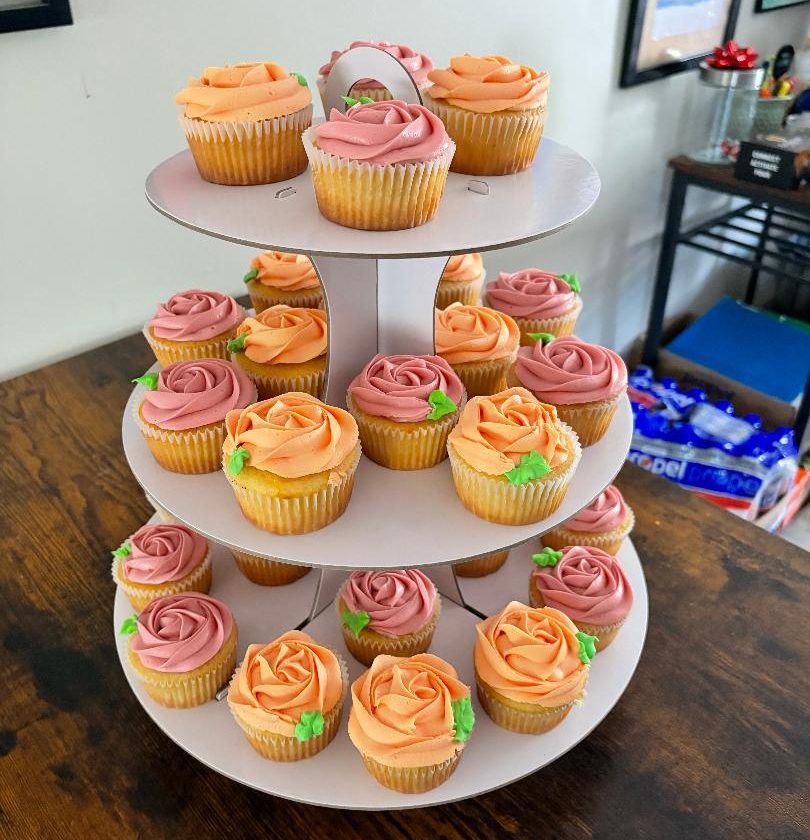
Valentine’s Day took place this past weekend, and I wanted to make something Valentine-ish. Chocolate and strawberry seem to be a good choice, but chocolate and raspberry are actually my preference, hence these treats. They’re basic but delicious chocolate cupcakes with easy raspberry buttercream, requiring no fresh raspberries but rather raspberry jam.

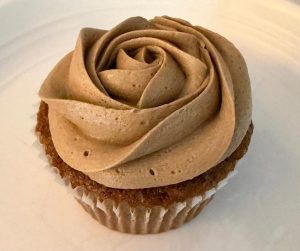
Yes, you can make buttercream with fruit jam, no fresh or frozen fruit required! I like this method because I usually have jam in the fridge, whereas I may or may not have fresh raspberries. My buttercream includes about a half-cup of jam, but you can use more or less if you prefer. I also piped the buttercream to look like roses in honor of this (mostly commercial, but still fun) holiday.

Ingredients

For the cupcakes

  • 1 1/2 cups flour
  • 3 tablespoons cocoa powder
  • 1 cup sugar
  • 1 teaspoon baking soda
  • 1/2 teaspoon salt
  • 1 tablespoon vinegar
  • 1 teaspoon vanilla
  • 3 tablespoons vegetable oil
  • 1 cup water

For the raspberry buttercream

  • 12 tablespoons butter, at room temperature
  • 3 1/2 cups cups powdered sugar
  • About 1/2 cup seedless raspberry jam

Preparation

Preheat oven to 350 degrees. Line cupcake tins with paper liners; this recipe makes about 14 – 16 cupcakes, depending on how full you fill your cupcake wells.

In a large mixing bowl, combine flour, cocoa powder, sugar, baking soda, and salt. Mix until well-blended, then make three wells for the wet ingredients.

Place vinegar, vanilla, and vegetable oil into the wells; add water and mix until the batter is smooth. The mixture will bubble up slightly when you add the water, so just keep mixing until you get a smooth consistency in the batter, which will be fairly thin.

Using a 1/4 cup measure, fill cupcake wells about half full. Bake for 18-22 minutes, until a cake tester comes out clean. Cool in pan for a few minutes, then remove from pan and cool completely on wire racks. Cool completely before frosting.

To make raspberry buttercream, beat butter on medium speed for about 1 minute. Add powdered sugar and beat on low speed until the sugar is fully incorporated into the butter; this takes a few minutes. Add raspberry jam and beat on medium-high speed for 2-3 minutes, scraping your bowl a few times during the process. If you find that your buttercream is too stiff, you can add about 1 tablespoon of heavy cream to thin it out, but the jam usually makes this type of buttercream looser because of its moisture content.

Fit a piping bag with a large star tip (I use the Wilton M1) and pipe swirls of frosting onto cupcakes. Store in an airtight container at room temperature for 2-3 days; these cupcakes are quite moist and don’t have a long shelf life.

Hot Cocoa Brownies

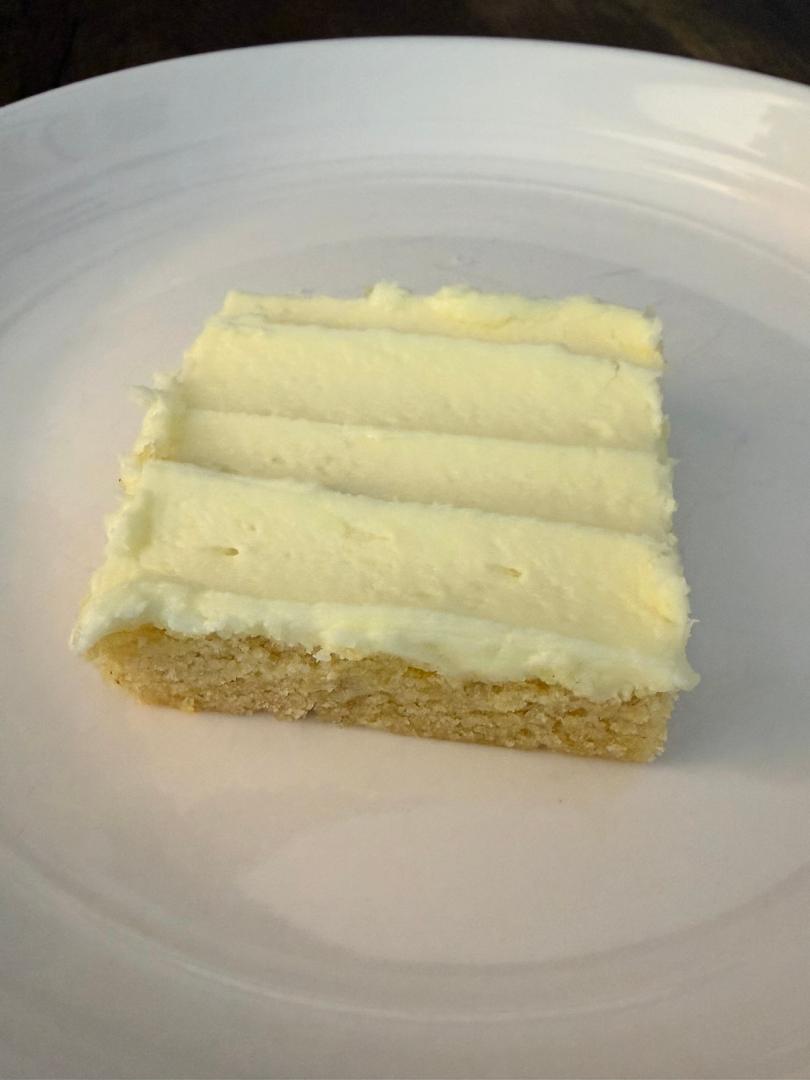
My hot cocoa cupcakes, which included actual cocoa mix in the (somewhat gritty) buttercream, gave me an idea…how about a hot cocoa brownie? But with vanilla icing instead of chocolate? Genius, and very easy to make.

Seriously, these are delicious. The brownie is my standard recipe with a vanilla glaze icing, topped with mini chocolate chips and marshmallow bits. The flavors are subtle, but I think that’s what makes them work well together. You could also make a chocolate glaze icing instead, but I think the vanilla evokes more of a whipped cream vibe, which was what I wanted for these treats. Success! I will absolutely make them again.

Ingredients

For the brownies

  • 1 cup vegetable oil
  • 2 cups sugar
  • 4 eggs
  • 6 tablespoons cocoa powder
  • 1 teaspoon salt
  • 1 1/2 cups flour
  • 1 tablespoon vanilla extract

For the icing and decoration

  • 3 1/4 cups powdered sugar 
  • 4 tablespoons melted butter
  • 1/4 cup milk
  • 1 tablespoon vanilla extract
  • Miniature chocolate chips
  • Marshmallow bits, like these Jet Puffed ones

Preparation

Preheat oven to 350 degrees. Lightly grease a 9 x 13 baking tin; I always sprinkle the bottom of the tin with sugar when I’m baking brownies for a crunch bottom crust.

In a mixing bowl, stir together oil and sugar, then add eggs, one at a time, mixing well after each. Stir in cocoa powder, then salt, flour, and vanilla until the batter is smooth.

Pour into the baking tin and spread into an even layer. Bake for 30-34 minutes, until a toothpick inserted in the center comes out clean or with just a few moist crumbs. These brownies are fudgy, but shouldn’t be too gooey in the middle when they’re done; the center will look mostly set on top.

Remove from oven and allow to cool completely before icing and decorating.

To make the icing, combine powdered sugar, melted butter, milk, and vanilla extract and stir until smooth. Spread frosting on brownies and immediately sprinkle with miniature chocolate chips and marshmallow bits; press them gently into the icing so they stick. Allow to set before cutting; makes 24. 


Chocolate Yule Log

Merry Christmas, friends! This year, for a Christmas Eve party with people very dear to me, I made a heap of cookies, a pan of brownies, and this Yule log. It’s a slight variation on the classic French buche de noel, using a chocolate cake and cream cheese filling recipe from the Better Homes & Gardens Baking book, plus my standard chocolate buttercream on the outside. It was delicious, and a massive hit.

While my Yule log suffered a few cracks during the rolling/unrolling process, the cream cheese filling I chose literally filled in the cracks and instead of seeping out, set beautifully while it chilled (tightly wrapped in the fridge) overnight. I chose to dress my Yule log up with some “soil” made from crumbled brownies and mushrooms made with banana stems and strawberry caps. Next time, I’ll go for some rosemary for that fir-like look…because I will absolutely make this again.

Ingredients

For the cake

  • 1/3 cup flour
  • 1/3 cup cornstarch
  • 1/4 cup unsweetened cocoa powder
  • 1/4 teaspoon baking soda
  • 1/4 teaspoon salt
  • 4 whole eggs, at room temperature*
  • 4 egg yolks, at room temperature*
  • 1 teaspoon vanilla extract
  • 3/4 cup sugar

*Yes, you need a total 8 eggs for this, 4 whole and 4 just the yolks. Reserve the 4 whites you’re not using and make them into meringue cookies (which can be shaped like mushrooms for embellishing the log if you wish) or macarons if you like. 

For the filling

  • 4 tablespoons butter, at room temperature
  • 4 tablespoons cream cheese, at room temperature
  • About 3 cups powdered sugar
  • 2 teaspoons vanilla extract

For the frosting and decoration

  • 12 tablespoons butter, at room temperature
  • 3 cups powdered sugar
  • 1/4 cup unsweetened cocoa powder
  • 2 teaspoons vanilla extract
  • 2-3 tablespoons heavy cream

Preparation

Preheat oven to 375 degrees. Line a 10x15x1 jelly roll pan with parchment paper.

Sieve together flour, cornstarch, cocoa powder, baking soda, and salt; set aside. Place a clean, thin kitchen towel next to your oven and generously dust it with powdered sugar; this is where you’ll flip your cake onto for rolling once it’s baked.

In a mixer, beat eggs, egg yolks, and vanilla together on high speed until thick and lemon-colored, about 4-5 minutes. Gradually beat in sugar, one tablespoon at a time, beating for an additional 2 minutes. Add flour mixture one-third at a time, folding gently to just combine; make sure you scrape the sides and bottom of your bowl so you don’t have surprise pockets of flour.

Pour batter into jelly roll tin and smooth out the top. Bake for 12 minutes, or until the top of the cake springs back when touched (be very careful not to over-bake here). Remove from oven and allow to cool in the tin for 3 minutes; loosen the sides and flip the cake out onto the towel dusted with powdered sugar; remove parchment paper and immediately roll up starting at the short side. Allow the cake to cool completely.

Once the cake is cool, make your filling. In a mixer, beat butter and cream cheese on medium speed for 2-3 minutes. Add powdered sugar and beat on low, allowing the sugar to fully incorporate into the butter/cream cheese mixture; this will take a few minutes. Beat in vanilla extract.

Carefully unroll your cake and spread with filling; re-roll, place seam-side down, and wrap in plastic wrap. Chill for about 30 minutes (or overnight) before frosting.

To make frosting, beat butter on medium speed for about 1 minute. Add powdered sugar  and cocoa powder and beat on low speed until the sugar and cocoa are fully incorporated into the butter; this takes a few minutes. Add vanilla extract and 2 tablespoons heavy cream and beat for 2-3 minutes. Add remaining heavy cream if necessary; you want a smooth consistency.

Unwrap the log and place it on your serving plate; frost using a small offset spatula, creating a bark-like pattern on the outside and ends. If desired, crumble up brownies for soil and place around the log; add strawberry banana mushrooms. There are lots of other ideas for embellishing Yule logs; I’ve listed a few below. Serve immediately; store any leftovers in the fridge (because cream cheese filling needs refrigeration).

Here’s a close-up of the inside of the log, and some ideas for embellishment:

Bake meringue cookies in the shape of mushrooms and add them to the outside of the log. I’m pretty sure this is what Martha Stewart does!

Bake lace cookies or Florentines, break them into pieces, and stick them along the sides – this will also look like fungi.

Pipe mushrooms or sprigs of pine with buttercream (see my tree trunk cake here).

Create mushrooms using Hershey’s Kisses for the caps and marshmallows for the stems.

Set sprigs of rosemary along the sides, which look like pine, and dust with powdered sugar to look like snow.

Hot Cocoa Cupcakes

Who knew you could buy jars of tiny, cocoa-ready marshmallows? Well if you’re in the market, Target sells them in the baking aisle and they’re a perfect addition to these treats. I saw a few versions of this cupcake on Pinterest while perusing and making my Christmas baking plan, and they’re quite delicious. My version uses a basic chocolate cupcake recipe I use all the time and a chocolate buttercream that uses hot cocoa mix, rather than cocoa powder.

One caveat: The hot cocoa mix I used wasn’t as fine as cocoa powder, and it had bits of chopped chocolate in it. Which is great when you’re mixing it into hot milk for actual cocoa…but if you’re mixing it into buttercream can yield a somewhat gritty texture. It’s absolutely delicious though – one of my coworkers said they tasted so amazing she didn’t pay any attention to the texture, so I’ll take that as a win.

Ingredients

For the cupcakes

  • 1 1/2 cups flour
  • 3 tablespoons cocoa powder
  • 1 cup sugar
  • 1 teaspoon baking soda
  • 1/2 teaspoon salt
  • 1 tablespoon vinegar
  • 1 teaspoon vanilla
  • 3 tablespoons vegetable oil
  • 1 cup water

For the hot cocoa buttercream

  • 12 tablespoons butter, at room temperature
  • 3 cups powdered sugar
  • 1 1/2 envelopes hot cocoa mix (about 4 1/2 – 5 tablespoons)
  • Dash of salt
  • 1 teaspoon vanilla extract
  • 2 – 4 tablespoons heavy cream
  • Marshmallow bits, for decoration

Preparation

Preheat oven to 350 degrees. Line cupcake tins with paper liners; this recipe makes about 14 – 16 cupcakes, depending on how full you fill your cupcake wells.

In a large mixing bowl, combine flour, cocoa powder, sugar, baking soda, and salt. Mix until well-blended, then make three wells for the wet ingredients.

Place vinegar, vanilla, and vegetable oil into the wells; add water and mix until the batter is smooth. The mixture will bubble up slightly when you add the water, so just keep mixing until you get a smooth consistency in the batter, which will be fairly thin.

Using a 1/4 cup measure, fill cupcake wells about half full. Bake for 18-22 minutes, until a cake tester comes out clean. Cool in pan for a few minutes, then remove from pan and cool completely on wire racks. Cool completely before frosting.

To make hot cocoa buttercream, beat butter on medium speed for about 1 minute. Add powdered sugar  and hot cocoa mix and beat on low speed until the sugar and cocoa are fully incorporated into the butter; this takes a few minutes. Add salt, vanilla extract, and 2 tablespoons heavy cream and beat for 2-3 minutes. Add remaining heavy cream if necessary; you want a smooth consistency, and depending on what cocoa powder you use, you may need some additional cream.

Fit a piping bag with a large star tip (I use the Wilton M1) and pipe swirls of frosting onto cupcakes. Top with marshmallow bits. Store in an airtight container at room temperature for 2-3 days; these cupcakes are quite moist and don’t have a long shelf life.

Peppermint Bark Brownies

One of my favorite Christmas treats is the peppermint bark from Williams Sonoma. I tend to pick it up after Christmas when it goes on sale (I mean, that stuff is expensive as heck), and it’s absolutely delicious. So when I saw these peppermint bark brownies in a Christmas baking magazine by Delish, I just had to make them.

I adapted the recipe a bit to suit my own tastes, as I usually do, and they are indeed delish. I used a dark chocolate brownie recipe I’ve made many times before, but next time I’ll dial back the frosting – I think it was a bit thick compared to the brownie itself. The frosting would make a wonderful addition to dark chocolate cupcakes as well.

Ingredients

For the brownies

  • 12 tablespoons butter
  • 2 cups sugar
  • 1 cup Dutch process cocoa powder
  • 1 teaspoon salt
  • 1/2 teaspoon baking powder
  • 1 tablespoon vanilla extract
  • 3 eggs
  • 1 cup flour

For the frosting

  • 1 cup butter, at room temperature
  • 1 1/2 cups powdered sugar
  • 1/2 teaspoon peppermint extract
  • 1 1/2 cups white chocolate chips, melted and cooled*
  • About 1/4 cup crushed cand canes

*Be careful when cooling your melted white chocolate chips – they can begin to harden faster than you might imagine! I let mine sit until they were just cool enough to blend into the frosting. 

Preparation

Preheat oven to 325. Lightly grease a 9 x 13 tin with baking spray.

In a large pot, melt butter over medium-low heat. Stir in sugar, allowing the mixture to become just hot, but not bubbly. Remove from heat and stir in cocoa powder, salt, baking powder, and vanilla. Whisk in eggs, then stir in flour.

Pour batter into the baking tin and spread evenly. Bake for 29-32 minutes, until a cake tester inserted in the center comes out clean or with just a few moist crumbs. Remove from oven and allow to cool completely before frosting.

To make frosting, beat butter on medium speed for about 1 minute. Add powdered sugar and beat on low speed until the sugar is fully incorporated into the butter. Add peppermint extract, then melted white chocolate chips. Beat to combine completely, until smooth.

Spread frosting over cooled brownies and sprinkle with crushed candy canes. Cut into squares; makes 24.

Thanksgiving Cupcakes

Why is pie a classic Thanksgiving dessert? Apparently colonial bakers learned to use pumpkin, which had long been cultivated in North America, in the early days of the United States. Apples are also harvested in fall, making them, along with pumpkins, popular pie choices for this time of year. But what if you’re not a pie person? Maybe you want, for example, a Thanksgiving cupcake.

Don’t get me wrong: I love pumpkin pie. But for this year’s Thanksgiving, spent with people very dear to me, I chose to make cupcakes decorated like Thanksgiving staples: turkeys, mashed potatoes, and pies. Yes, the decoration took a while to do, but the end results were so adorable it was worth every minute. I made two different cupcake batters to offer some variety, so I’ve outlined both below. You could mix and match cupcakes and decorations however you like, and you’ll have some frosting left over for other treats. The next time I make something like this, I’ll make a bit less frosting.

Ingredients

For the chocolate cupcakes

  • 1 1/2 cups flour
  • 3 tablespoons cocoa powder
  • 1 cup sugar
  • 1 teaspoon baking soda
  • 1/2 teaspoon salt
  • 1 tablespoon vinegar
  • 1 teaspoon vanilla
  • 3 tablespoons vegetable oil
  • 1 cup water

For the caramel cupcakes

  • 1 2/3 cups flour (spooned and leveled, or 209 grams if measuring by weight)
  • 1/2 teaspoon baking powder
  • 1/4 teaspoon baking soda
  • 1/2 teaspoon salt
  • 1/2 cup unsalted butter, melted
  • 1 cup light brown sugar
  • 1 egg, at room temperature
  • 1/4 cup sour cream
  • 3/4 cup milk
  • 2 teaspoons vanilla extract

For the chocolate buttercream

  • 3/4 cup (1 1/2 sticks) butter, at room temperature
  • 3 cups powdered sugar
  • 1/4 cup cocoa powder
  • 1 tablespoon vanilla extract
  • 2 tablespoons heavy cream

For the vanilla buttercream

  • 1 3/4 cups (3 1/2 sticks) butter, at room temperature
  • 6 cups powdered sugar
  • 2 tablespoons vanilla extract
  • 3-4 tablespoons heavy cream

For the decorations

  • Miniature chocolate chips, for turkey eyes
  • Candy corn, for turkey feathers
  • Salted caramel sauce, for mashed potatoes (see notes below)
  • Yellow, red, and brown food coloring
  • Wilton piping tips 1A (large plain), 12 (medium plain), 5 (small plain), 352 (leaf), and 67 (leaf) or small star of your choice (for the pie crust effect)

Preparation

Preheat oven to 350 degrees. Line cupcake tins with paper liners; the chocolate batch makes 12-14 and the caramel batch makes 14-16, depending on how full you fill your cupcake wells.

To make chocolate cupcakes: In a large mixing bowl, combine flour, cocoa powder, sugar, baking soda, and salt. Mix until well-blended, then make three wells for the wet ingredients.

Place vinegar, vanilla, and vegetable oil into the wells; add water and mix until the batter is smooth. The mixture will bubble up slightly when you add the water, so just keep mixing until you get a smooth consistency in the batter, which will be fairly thin.

Using a 1/4 cup measure, fill cupcake wells about half full. Bake for 18-22 minutes, until a cake tester comes out clean. Cool in pan for a few minutes, then remove from pan and cool completely on wire racks. Cool completely before frosting.

To make caramel cupcakes: In a large bowl, combine flour, baking powder, baking soda, and salt; set aside. In a microwave-safe bowl, melt butter, then add brown sugar and stir to combine; mixture will be grainy. Refrigerate for 1 minute, then remove from the fridge and add mix in the egg, sour cream, milk, and vanilla extract until completely combined. Stir into the flour mixture until no lumps remain.

Using a 2-inch cookie scoop, scoop batter into tins and fill about 2/3 to 3/4 full. Bake for 20-24 minutes, until a cake tester comes out clean. Remove from oven and place cupcakes on wire racks to cool completely.

To frost and decorate, you’ll want to make both batches of frosting first, as you need both chocolate and vanilla buttercream for the turkeys.

For chocolate buttercream, place butter in a mixing bowl and beat for a few minutes using the paddle attachment. Add powdered sugar and sift in cocoa powder to remove any lumps; you can also sift in both your powdered sugar and cocoa if you like. Beat on low speed until the sugar and cocoa are fully incorporated into the butter. Add vanilla extract and beat, then add heavy cream and beat until smooth.

For vanilla buttercream, place butter in a mixing bowl and beat for a few minutes using the paddle attachment. Add powdered sugar and beat on low speed until the sugar is fully incorporated into the butter; this will take several minutes. Add vanilla extract and beat, then add heavy cream and beat until smooth.

To maximize your vanilla frosting, I recommend going in the following order to tint and decorate your cupcakes.

First, frost your mashed potato cupcakes. Place about 1 cup frosting into a piping bag fitted with a Wilton 1A tip and pipe blobs onto the tops of each cupcake. Using a spoon, make a small well in the center of each cupcake and place about 1/2 teaspoon salted caramel sauce into the well, drizzling a bit over the sides. See notes below for caramel tips – mine made quite a mess because I tried to use too much!

If you have vanilla frosting left from your mashed potato cupcakes, return it to your bowl. Fit another piping bag with a small plain tip and place a few tablespoons vanilla frosting inside; set aside to make the turkey faces, as this will be the whites of the turkey eyes.

Take about 1/4 cup vanilla frosting and tint it yellow; place in a piping bag fitted with the 352 leaf tip; set aside to make the turkey beaks.

Divide remaining vanilla into two portions. Tint one red for the pie filling and the other golden brown (using both brown and golden yellow food coloring) for the pie crust. Fit a bag with a small plain tip and set aside; this will be both your turkey wattles and pie filling detail. Fit another bag with another small plain tip for your pie crust lattice.

To make the turkeys, frost the tops of your cupcakes with chocolate buttercream using an offset spatula, then fit a piping bag with a medium plain tip. Pipe a blob of frosting for the turkey’s head, then add the whites of the eyes and miniature chocolate chips for pupils. Pipe on beaks, then wattles. Add candy corn feathers; I used seven pieces per cupcake.

To make the pies, frost a thin layer of red over the top of each cupcake, leaving about 1/4 inch around the edges. Using the piping bag fitted with the small plain tip, pipe cherry details over the top. Using your golden brown frosting, pipe lattice stripes across the top of each cupcake, then switch tips and add the crust edge detail.

Caramel Notes: I used Smucker’s salted caramel ice cream topping for the gravy of my mashed potato cupcakes and recommend the following:

  • Use room-temperature caramel topping for these cupcakes for the easiest application. Wait to add the caramel until shortly before you’re serving, or keep cool in the fridge for a few hours before serving.
  • You need between 1/4 and 1/2 teaspoon of caramel sauce per cupcake – be very careful not to over-fill your wells or to drizzle too close to the edges. A few of my cupcakes were a mess because I used too much, as the caramel spilled over the sides.
  • The caramel sauce will absorb into the buttercream after a while, so keep leftovers in the fridge to prevent this from happening.

Below is a detail of Herb, the first turkey I created. I felt bad eating him but he was absolutely delicious. Alternatives to candy corn include M&Ms and Reese’s Pieces, but candy corn is a good choice for folks who can’t have nuts or products manufactured on machines that may have also made nut candies.

Fall Blossom Cake

For the past several weeks I’ve seen these amazing, beautiful cakes and cupcakes across Instagram where you cover the entire top of the cake with different piping shapes. I decided to practice my piping skills and make this fall blossom cake, and I have to say: I’m even impressed. I also loved this bake because I so rarely get to make cakes, but I’ve decided that I can absolutely take full cakes to my office. I even brought little plates and a knife for cutting to encourage folks to dig in.

The recipe of the cake is adapted slightly from A Stay at Home Chef, and it is absolutely delicious. The next time I make it I’m going to add vanilla bean paste to the batter instead of extract to see what happens; I’d also like to make chocolate almond and chocolate orange versions, so stay tuned. And yes – the amount of buttercream you need for this cake (and the mess it makes in your kitchen) is just as unreal as it seems. I say I used about 12 cups of powdered sugar in this…but to be totally honest, I lost count.

Ingredients

For the chocolate cake

  • 1 1/2 cups flour
  • 1 1/2 cups sugar
  • 3/4 cup unsweetened cocoa powder
  • 1 1/2 teaspoons baking soda
  • 3/4 teaspoon baking powder
  • 3/4 teaspoon salt
  • 2 eggs, at room temperature
  • 3/4 cup sour milk (see tip below) or buttermilk
  • 3/4 cup warm water (between 100 and 110 degrees)
  • 1/4 cup vegetable oil
  • 2 teaspoons vanilla extract

For the vanilla almond buttercream

  • 2 1/2 cups (yes, really, 4 1/2 sticks) unsalted butter, at room temperature
  • About 12 cups powdered sugar
  • 3 tablespoons vanilla extract
  • 2 teaspoons almond extract
  • 3-4 tablespoons heavy cream
  • Red, orange, and green food coloring
  • To decorate: Piping tips of your choice. I used the Wilton M1, 4B, 21, and 16 for the flowers and the 352 leaf tip.

Tip: To make 3/4 cup sour milk, place 2 1/4 teaspoons vinegar or lemon juice in a glass measuring cup. Add enough whole milk to equal 3/4 cup and stir; let stand for 5 minutes before using.

Preparation

Preheat oven to 350 degrees. Lightly spray a 9 x 13 baking tin with baking spray.

In a large bowl, combine flour, sugar, cocoa powder, baking soda, baking powder, and salt. Add eggs, sour milk, warm water, vegetable oil, and vanilla extract and whisk to combine completely, about 2 minutes by hand. Pour into baking tin and bake for 30 – 35 minutes, until a cake tester inserted in the center comes out clean. Cool completely before frosting.

To make frosting, beat butter on medium speed for 1 minute. Add about 5 cups powdered sugar and beat on low speed until the sugar is fully incorporated into the butter; this takes several minutes. I place a kitchen towel over my mixer to avoid getting powdered sugar all over the countertop.

Once sugar is fully incorporated, add vanilla extract, almond extract, and 1 tablespoon heavy cream and beat to combine; add remaining powdered sugar about 1 cup at a time, beating well between each addition. You’ll likely need another 2-3 tablespoons of heavy cream to achieve a medium consistency that’s pipeable but will hold its shape.

Divide frosting into several bowls and tint as desired. I did a variety of deep yellow, light peach, orange, and pinkish red. Remember to reserve a small portion of your frosting to tint green if you want to add leaf accents.

Pipe as desired; I put a thin layer of white buttercream as a base because I just prefer to do that, but you could pipe directly onto the cake itself if you wanted to. I used various techniques, including the same basic swirled rose I use on most of my cupcakes, star-like flowers, and so forth. You can get as creative as you like here. Add your leaf accents using the leaf tip. Store in an airtight container at room temperature for 2-3 days; this didn’t last two full days in my office.

Spider Cake for Halloween

One of my favorite Halloween traditions is watching “It’s the Great Pumpkin, Charlie Brown.” Linus waits, undeterred by criticism from the rest of the Peanuts, for the Great Pumpkin to arrive, and it’s that dedication that inspired this cake, with two adorable spiders sitting in a pumpkin patch, holding legs and hoping for a visit from the Great Pumpkin.

The cake itself is vanilla, and it takes a fair amount of buttercream – I used vanilla almond to cover the cake and make most of the decorations, while using chocolate buttercream for the spiders. You’ll need a fair amount of piping tips for this effort, but for me, the end result was well worth it. This also might be one of the longest blog posts I’ve ever written because of the extensive decoration steps!

Ingredients

For the cake

  • 1 cup flour
  • 1 teaspoon baking powder
  • dash of salt
  • 8 tablespoons butter, softened
  • 3/4 cup sugar
  • 2 eggs
  • 2 teaspoons vanilla extract
  • 6 tablespoons milk

For the frosting and decoration

For the frosting and decoration

  • 1 1/2 cups (3 sticks) butter, at room temperature
  • 6 cups powdered sugar
  • 3 tablespoons vanilla extract
  • 1 1/2 teaspoons almond extract
  • 2-3 tablespoons heavy cream
  • 3-4 tablespoons cocoa powder
  • Green, yellow, and red food coloring
  • Chocolate chips (for spider eyes)
  • Note: You’ll need the Wilton piping tips 233 (grass), 22 (star), 12 (medium plain), 5 (small plain), and 352 (leaf)

Preparation

Preheat oven to 350 degrees. Lightly grease two 6-inch round cake pans, line each with a parchment circle, and lightly grease the parchment.

In a small bowl, combine flour, baking powder, and salt; set aside.

In a mixer fitted with the paddle attachment, cream together the butter and sugar until very well-blended. Add eggs and vanilla extract and beat well to combine, scraping the sides of your bowl a few times.

Add flour and milk alternatively in two batches, beginning and ending with the flour and beating until completely combined.

Pour batter into prepared pans and bake for 18-22 minutes, until a cake tester comes out clean. Remove from oven and allow cakes to cool in the pan for about 5 minutes, then carefully turn out onto a wire rack to cool completely.

While cakes cool, make your frosting – you want to begin with a vanilla almond buttercream, then divide your frosting and make a smaller portion of chocolate buttercream from the original batch.

To make vanilla almond buttercream, beat butter on medium speed for about 1 minute; add 4 cups powdered sugar and beat on low speed to fully incorporate the sugar into the butter. This takes a long time (several minutes); I cover my mixer with a kitchen towel during the process to avoid a storm of powdered sugar.

Once sugar is fully incorporated, beat on medium-high speed for about 2 minutes; add vanilla extract, almond extract, 1 tablespoon heavy cream, and remaining powdered sugar and beat on low, then medium speed, to fully combine. You can add another tablespoon of heavy cream if necessary; you want a texture that’s easy to pipe, but can still hold its shape.

Divide your frosting as follows:

Reserve about 1 tablespoon white frosting for spider eyes. Place in a piping bag fitted with a small plain tip; set aside.

Take 1 1/2 cups and sift in 2-3 tablespoons cocoa powder (to taste) and mix in 1 tablespoon heavy cream. Fit a piping bag with a coupler and medium plain tip; fill with chocolate frosting and set aside. You’ll want the coupler to switch to a small plain tip later.

Take about 2 cups frosting and tint light green; I used a combination of green and yellow for my shade. You’ll add more green for the pumpkin leaves, vines, and grass later on.

Take about 1 cup frosting and tint orange for the pumpkins; I used a combination of yellow and red food coloring for this. Fit a piping bag with a medium star tip and place orange frosting inside the bag; set aside.

To decorate, place one cake layer on your cake stand; I put chocolate buttercream in the middle of my cake, but you can put the vanilla almond there if you prefer. Top with another cake layer. Cover the top and sides of the cake completely with light green buttercream.

To make the spiders, pipe one large and one small blob of frosting for the body and the head of each spider, then switch frosting tips to the small plain tip and pipe on the legs. Using the white frosting, pipe circles for eyes, then add chocolate chips for the pupils. You can also use candy eyes, but I find that the pupils on those “bleed” out into the whites…which I guess isn’t terrible for Halloween.

To make the pumpkins on the sides of your cake, pipe orange frosting in an up-and-down motion to create your shapes. To pipe the smaller pumpkins on the top of the cake, hold your piping bag vertically over the cake and pipe directly down, like you’re making a star, but let it fill out into a pumpkin shape.

Take the remaining light green frosting and add more food coloring for a darker shade. Fit a piping bag with a coupler and a grass tip; pipe grass around the bottom of the cake. Switch to a leaf tip and add leaves on your pumpkins, then switch to another small plain tip and add vines, if desired.

Use the remaining chocolate buttercream to finish your pumpkins by piping on their stems. A detail of the pumpkins on the side of the cake is below. Store the finished cake in an airtight container at room temperature for 2-3 days. Makes about 6-8 slices.