Citrus “Traybake” Cake

“Traybake” isn’t really part of the American baker’s vocabulary…unless she watches the Great British Baking Show, of course. Visitors to this blog know very well of my GBBS obsession, which lives on in full force

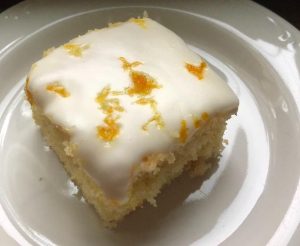
A traybake can be a cake, brownie, or other dessert baked in a rectangular pan. Ranging from the simple to the complex, traybakes are apparently a staple of family baking in Britain. This recipe is adapted from Mary Berry’s Fast Cakes: Easy Bakes in Minutes; I subbed oranges for limes because that’s what I had on hand. I suspect that I slightly over-baked my cake, but Mike’s coworkers registered no complaints. I also made the mistake of zesting my lemon and orange in advance, then trying to sprinkle the chilled zest over my icing; next time, I’ll zest the fruit straight onto the icing so it falls more evenly, rather than in clumps.

Ingredients

For the cake

  • 1 cup margarine* straight out of the fridge
  • 1 cup superfine sugar
  • 2 1/2 cups self-rising flour
  • 4 eggs
  • 1 teaspoon baking powder
  • 2 teaspoons lemon curd
  • zest of 1/2 lemon
  • zest of 1/2 orange

For the icing

  • 2 1/2 cups powdered sugar, sifted
  • 3-4 tablespoons lemon and orange juice
  • zest from 1/2 lemon
  • zest from 1/2 orange

Preparation

Preheat oven to 350 degrees. Lightly grease a 9 x 13 (or 9 x 12, if that’s what you have) baking tin and line it with parchment.

Place all cake ingredients in a mixer and beat well to combine, until batter is light and fluffy. Pour into prepared tin and bake for 30-35 minutes, until well risen and the top springs back slightly when gently pressed.

Remove from oven and cool completely before icing.

To make icing, place powdered sugar in a bowl and add 1 tablespoon lemon and orange juice at a time to make a smooth, thick drizzle icing. Pour over cake; spread with an offset spatula to cover completely. Top with lemon and orange zest.

Allow icing to set, then cut into 16 pieces. Store in an airtight container at room temperature for 2-3 days.

Spiced Apple Cupcakes

Fall begins tomorrow, and I am ready. As a person who appreciates all seasons, I welcome the changing leaves, crisp evening air, and an excuse to bake with delicious fall favorites like apples, pumpkins, and one of my favorite spices, nutmeg. Apples feature heavily in many fall desserts, but these cupcakes feature an easy pantry staple that also lends great, tender texture: applesauce.

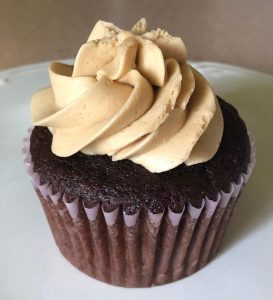
I found this recipe at Cooking Classy and adapted it slightly to cut down its size, adjust the spice level, and add a vanilla caramel buttercream rather than a cream cheese frosting (which would also be delicious). The cupcakes themselves carry more of a spice flavor than an apple flavor, but are quite delicious with a very tender crumb. The frosting has a subtle caramel flavor that brings a nice balance of sweetness to the warm spice in the cupcakes. Next time, I’d love to try this recipe as a whole cake, served with warm apple compote and whipped cream. Stay tuned!

Ingredients

For the cupcakes

  • 1 cup flour
  • 1/2 teaspoon baking powder
  • 1/2 teaspoon salt
  • 1 teaspoon cinnamon
  • Heaping 1/4 teaspoon nutmeg
  • 4 tablespoons butter, softened
  • 1/2 cup sugar
  • 1/4 cup packed light brown sugar
  • 2 eggs, at room temperature
  • 3/4 cups unsweetened applesauce

For the frosting

  • 8 tablespoons butter, at room temperature
  • 2 cups powdered sugar
  • 1/3 cup caramel sauce
  • 3 tablespoons heavy cream
  • 1 teaspoon vanilla

Preparation

Preheat oven to 350 degrees. Line a cupcake tin with paper liners.

In a medium bowl, combine flour, baking powder, salt, cinnamon, and nutmeg. In a mixer fitted with the paddle attachment, cream butter, sugar, and brown sugar until light and fluffy. Add eggs, one at a time, beating well between each addition. With the mixer running on low, add the applesauce. Turn off the mixer and stir in flour until just combined.

Using a 2-inch cookie scoop, scoop batter into liners, filling about 2/3 to 3/4 full. Bake for 20-21 minutes, until a cake tester comes out clean. Remove from oven and remove cupcakes from tin; place on a wire rack to cool completely before frosting.

For the frosting, beat butter in a mixer for about 1 minute, then add powdered sugar and mix on low, then medium speed until the sugar is fully incorporated into the butter. Add caramel, heavy cream, and vanilla and beat well, about 3-4 minutes.

Fit a large piping bag with a large plain tip; pipe a generous blob of frosting onto each cupcake. You’ll have plenty of frosting left over for another use; I may make a second batch of these cupcakes for mine!

Store in an airtight container at a cool room temperature, or in the fridge. Makes 12.

Gingerbread Sandwich Cake

The Great British Baking Show has influenced my baking in many ways, among them what I’m starting to call things. Two-layer cakes have become sandwich cakes, baking pans have become tins, rising time for bread has become proving time. I don’t mind – I’m an Anglophile after all. This week I re-watched a few episodes from a previously viewed season where the bakers made highly creative sandwich cakes, and wanting to make something fun for the impending arrival of fall, I settled on rich spicy flavors.

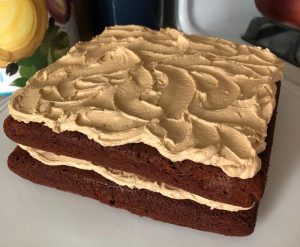
This gingerbread sandwich cake features apple pie spice rather than traditional gingerbread spices, although truth be told, they’re quite similar and next time I’ll probably go with the regular gingerbread spice blend. The frosting is a lovely creation of buttercream with molasses and ginger that I found at Two Sisters Crafting and tweaked to suit my own taste for a stronger molasses flavor. The cake itself was a bit on the dry side, so I suspect I may have baked it just a bit longer than necessary. Good to know for next time, as I’ll definitely make this again.

Ingredients

For the cake

  • 1 1/2 cups all purpose flour
  • 2 teaspoons apple pie spice
  • 1/2 teaspoon baking powder
  • 1/2 teaspoon baking soda
  • 8 tablespoons butter, at room temperature
  • 6 tablespoons brown sugar
  • 1/2 cup molasses
  • 1 egg
  • 1/2 cup water

For the frosting

  • 8 tablespoons butter, at room temperature
  • 2 cups powdered sugar
  • 2 tablespoons molasses
  • 1/4 teaspoon ginger

Preparation

For the cake:

Preheat oven to 350 degrees. Lightly grease two 8-inch square cake pans (or tins, if you prefer the British version!) and line the bottoms with parchment.

In a medium bowl, combine flour, apple pie spice, baking powder, and baking soda; set aside.

In a mixing bowl fitted with the paddle attachment, cream together butter and brown sugar until fluffy, about 2-3 minutes, scraping the sides of the bowl well. Add molasses and egg and beat well to combine.

Add flour mixture and water alternatively in three batches, starting and ending with the flour and mixing to combine between each.

Pour batter into prepared pans and bake for 15-17 minutes, until a cake tester comes out clean. Cool in the pan for about 20 minutes, then remove to a wire rack to cool completely before frosting.

For the frosting:

In a mixer fitted with the paddle attachment, beat butter for about 1 minute, then add all the powdered sugar at once and beat on low, then medium speed until the sugar is fully incorporated into the butter. Add molasses and ginger and beat to fully combine, scraping the sides of the bowl at least a few times.

To assemble, place one layer on your cake stand and top with half the frosting; repeat with the second layer and remaining frosting, leaving the sides bare. Store in an airtight container at room temperature for 2-3 days.

Makes about 12 servings.

Madeira Cake

How many recipes do I want to bake? All of them, I suppose…but some more than others. To stay on track and ensure that I try (and ideally, master) as many intriguing treats as possible, I’ve set monthly baking goals. September includes Madeira cake, which seems to be more common in Britain than here in the States.

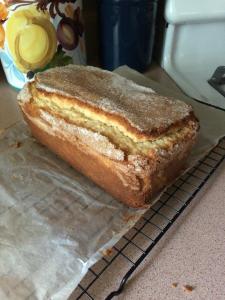
Contrary to its name, Madeira cake contains no wine. Victorians enjoyed this pound cake-like treat with Madeira, and today it’s served with tea or liqueur. Traditional Madeira cake has a crack in the top, and I’m proud to say that mine did, too. The recipe comes from The Kitchn, and mine yielded a well-flavored but slightly dry cake, likely because I had to bake it for longer than I’d planned. Next time I’ll bake it in a 9 x 5 loaf tin, rather than an 8 x 4, to cut down on baking time.

Ingredients

  • 2 1/2 cups flour
  • 1 1/2 teaspoons baking powder
  • 1/4 teaspoon kosher salt
  • 1 1/4 cups unsalted butter, at room temperature (2 1/2 sticks)
  • 1 cup plus 2 tablespoons sugar, divided
  • Zest of 1 medium lemon
  • 3 eggs, at room temperature
  • Juice of 1 medium lemon

Preparation

Preheat oven to 325 degrees. Grease an 8 x 4 loaf tin with butter, then line the tin with parchment.

In a medium bowl, whisk together flour, baking powder, and salt; set aside. In a mixer fitted with the paddle attachment, cream butter, sugar, and lemon zest until light and fluffy, about 3-5 minutes, scraping the bowl well at least a few times.

Add the first egg and one spoonful of flour mixture, beating to combine. Scrape down the bowl, then repeat with remaining eggs and one spoonful of flour mixture for each egg, scraping the bowl between each. Add remaining flour and lemon juice and mix until combined; batter will be quite thick.

Spoon batter into the pan and smooth out the top, then sprinkle the remaining 2 tablespoons of sugar over the top. Bake for about 60-70 minutes, until a cake tester inserted in the center comes out clean. Cool in pan completely, then lift out by the parchment and store, well wrapped, at room temperature. Makes about 10 servings.

At left, you get a nice view of the crack down the side of the top. 

Pineapple Upside-Down Cake

To me, pineapple upside-down cake is pretty retro. I imagine bakers in the 1950s and 60s serving it at dinner parties, but according to What’s Cooking America, inverted cakes that reveal a special topping go back as far as the Middle Ages. Once the Hawaiian Pineapple Company (today known as Dole) began producing in canned pineapple in the early 1900s, bakers across the United States could get easy access to this tropical treat and recipes for pineapple upside-down cake popped up in women’s magazines and cookbooks everywhere.

This was my first attempt at pineapple upside-down cake, and I already have a plan for next time. I adapted this recipe from Mary Berry’s Fast Cakes, which uses a 7-inch cake pan and some ingredients that are harder to find here in the states, like muscovado sugar. My cake baked in a 9-inch pan, which as you can see made the cake layer quite shallow. Next time I’ll use a different recipe, but Mike said this was delicious anyway.

Ingredients

  • 1/4 cup dark brown sugar
  • 7 canned pineapple rings
  • About 7 maraschino cherries, sliced in half
  • 3/4 cup self-rising flour
  • 6 tablespoons margarine
  • 2/3 cup superfine sugar
  • 1 egg, lightly beaten
  • 1 tablespoon pineapple juice

Preparation

Preheat oven to 375 degrees. Generously grease a 9-inch round cake pan.

Sprinkle dark brown sugar as evenly as possible over the bottom of the pan and top with pineapple rings, then place half of a maraschino cherry in the center of each ring and between the rings at the edge of the pan.

In a mixing bowl, combine flour, margarine, sugar, egg, and pineapple juice and beat on medium speed until completely combined.

Spoon batter carefully over pineapple layer and spread with a small spatula to make an even layer.

Bake for 25 minutes, until cake is well-risen, golden, and springs back slightly when touched. Remove from oven and cool for about 20 minutes, then invert on a serving plate to cool completely.

Makes 8 servings.

Little Lemon Almond Cake

Last week, my mom turned 73, and she and my nephew Roman, who was in town visiting for the week, came over for dinner. Roman got his own batch of chocolate cupcakes, but since Genny isn’t a chocolate fan, I decided to whip up this little, four-serving lemon almond cake for her. I’m pleased to say she really enjoyed it.

This makes one single-layer, 6-inch cake, so you could easily double the recipe for a two-layer cake. The cake itself is a denser cake that is better paired with drizzle-style icing than a buttercream frosting, but you could still frost it with buttercream if you prefer. This cake would also be great with some whipped cream and fresh berries.

Ingredients

  • 1/2 cup flour
  • 1/2 teaspoon baking powder
  • dash of salt
  • 4 tablespoons butter, softened
  • 6 tablespoons sugar
  • 1 egg
  • 1 1/2 teaspoons almond extract
  • Zest of 1/2 one medium lemon
  • 3 tablespoons milk
  • About 1 1/3 cups powdered sugar
  • 1 teaspoon almond extract
  • 4-5 teaspoons lemon juice
  • Toasted flaked almonds, for decorating

Preparation

Preheat oven to 350 degrees. Lightly grease a 6-inch round cake pan, line with a parchment circle, and lightly grease the parchment.

In a small bowl, combine flour, baking powder, and salt; set aside.

In a mixer fitted with the paddle attachment, cream together the butter and sugar until very well-blended. Add egg, almond extract, and lemon zest and beat well to combine, scraping the sides of your bowl a few times.

Add flour and milk alternatively in two batches, beginning and ending with the flour and beating until completely combined.

Pour batter into prepared pans and bake for 18-22 minutes, until a cake tester comes out clean. Remove from oven and allow cakes to cool in the pan for about 5 minutes, then carefully turn out onto a wire rack to cool completely.

To make the drizzle icing, combine powdered sugar, almond extract, and 2 teaspoons lemon juice in a small bowl. Mix until smooth, adding more lemon juice as necessary to reach a thick but pourable drizzling consistency. Pour over cake and spread with an offset spatula so drizzle just starts to drip down the sides of the cake. Add toasted flaked almonds, if desired.

Store, covered, at room temperature for 2-3 days. Makes 4 servings.

Molasses Snack Cake

Cake can be a snack, right? The folks at Little Debbie, Tastycake, and Hostess certainly think so, as do I. But my molasses snack cake is quite different from the cream-filled, waxy-icing-covered treats you can find at your local grocery store or quick mart. This snack cake, created from a “make-it-mine” recipe in my Better Homes and Gardens Baking book, is a delicious creation of tender spiced cake, crunchy pecans, and a gentle drizzle of icing.

“Make-it-mine” recipes are among my favorites because they lend themselves to such creativity. Reading over my options for flavor combinations, I decided on a molasses cake with a blend of cinnamon, nutmeg, ginger, and cloves. You could leave this cake un-drizzled, but I think the icing adds a nice contrast of sweetness to the spices in the cake itself.

Ingredients

  • 2 cups flour
  • Heaping 1/4 teaspoon cinnamon
  • Heaping 1/4 teaspoon nutmeg
  • Heaping 1/4 teaspoon ginger
  • Heaping 1/4 teaspoon cloves
  • 1 1/2 cups sugar
  • 1/2 cup molasses
  • 1 teaspoon baking soda
  • 1/2 teaspoon baking powder
  • 1/2 teaspoon salt
  • 1 1/2 cups milk
  • 2/3 cup vegetable oil
  • 1 teaspoon vanilla
  • 2 eggs
  • 1/2 cup chopped toasted pecans
  • 1 cup powdered sugar
  • 1-2 tablespoons water

Preparation

Preheat oven to 350 degrees. Lightly grease a 9 x 13 baking pan.

In the bowl of a stand mixer, stir together flour, sugar, cinnamon, nutmeg, ginger, cloves, baking powder, baking soda, and salt. Add molasses, milk, vegetable oil, and vanilla and beat on low to medium speed for two minutes. Add eggs and beat, scraping the sides of the bowl a few times; beat for an additional 2 minutes.

Pour batter into prepared pan and bake for 20 minutes; top with chopped toasted pecans and continue to bake for another 15-20 minutes, until top of cake springs back lightly when touched and a cake tester comes out clean.

Once cake is completely cool, make drizzle; stir together powdered sugar and enough water to make a thick drizzling consistency. Use a spoon to pour drizzle over cake.

Store, covered, at room temperature for 2-3 days.
Makes 12 servings.


Orange Swiss Roll

Somewhere along the way, “make fluffier Swiss roll sponge cake” became one of my baking goals. I’m proud to say that last week’s orange Swiss roll, my Easter dessert, yielded a very fluffy sponge. Paired with the delicious orange curd I had left over from our seder, this orange and almond sponge turned out very well.

How does one achieve fluffy Swiss roll sponge? You can go with a different prep method than I’ve used below; many bakers find success by separating their eggs and mixing the yolks with the other ingredients, then whipping up the whites to a meringue and folding them in just before baking. Given all the baking I’d done for Passover, I wanted to go with a simpler solution, so I started by giving my sponge a full 12 minutes of baking before I checked it to keep as much heat in the oven as possible. My sponge baked for about 13 minutes before I pulled it; I also let it cool for about 2-3 minutes before I rolled it, and didn’t roll it as tightly in the towel for cooling. Success!

Ingredients

  • 3/4 cup flour
  • 3/4 teaspoon baking powder
  • 1/4 teaspoon salt
  • 4 eggs, at room temperature
  • 3/4 cup sugar
  • 3/4 teaspoon almond extract
  • zest from 1 Valencia orange
  • Orange curd, for filling
  • Powdered sugar, for dusting

Preparation

Preheat oven to 400 degrees. Line a 10 x 15 x 1 pan with parchment. Place a lint-free tea towel on a heatproof surface (I use a cutting board) near your oven and lightly dust it with powdered sugar.

In a small bowl, sift together flour, baking powder, and salt; set aside. In a mixer fitted with the whisk attachment, beat eggs until foamy, then slowly add the sugar, beating on medium speed until the mixture is thick and a light lemon color, about 5-7 minutes; add almond extract and orange zest just before you stop beating. When the batter is done, it will fall from the whisk in a ribbon, then mound on top of the batter before blending back in. Gently fold in the flour mixture so you don’t lose volume, but make sure you get all the streaks of flour; they can hide in the fluffy batter.

Pour batter into prepared pan, spreading with a spatula to create an even layer. Bake for 12-14 minutes, until the top is golden brown and springs back when you touch it. Remove from oven, then quickly and carefully flip your cake onto the powdered sugar-sprinkled tea towel. Gently peel the parchment away and allow to cool for about 2-3 minutes before rolling. Starting at one of the short ends, roll the cake up in a spiral and allow to cool on a wire rack completely before filling.

When cool, unroll the cake and spread on the orange curd. Re-roll and dust with powdered sugar. If not serving immediately, wrap the cake in plastic wrap and keep in the refrigerator. Makes about 8 servings.

Walnut Cake

Passover is upon us, and last night Mike and I had our annual interfaith seder. Three Catholics, three Protestants, and one Jew celebrated the story of the exodus along with a ton of food, including my traditional orange almond cake (this time made with Valencia oranges for the best result yet) and a new, delicious treat. I found this recipe for flourless walnut cake at Food 52, and it is life-changing.

The thing about Passover baking is: no flour. So what’s a baker to do? Ground nuts and eggs feature heavily in Passover cake recipes, and that was the case with this cake as well. It was my first experience whipping egg whites separately, then folding them into batter. Full disclosure: I had to start over with the whites because holy cow, it’s easy to over-whip egg whites. In any case, the end result was absolutely delicious, tasting almost like the nut filling in a nut roll pastry. The cake sinks in the middle as it cools, leaving a wonderful indentation for a pool of freshly whipped cream. I’ll absolutely make this cake again, for many occasions, and may try hazelnuts or pecans next time.

Ingredients

  • 8 ounces ground walnuts
  • 9 ounces superfine sugar
  • 6 eggs, separated, at room temperature
  • 1 teaspoon cinnamon
  • 1 teaspoon vanilla extract
  • Whipped cream, for serving

Preparation

Preheat oven to 350 degrees. Line the bottom and sides of a 9-inch springform pan with parchment paper.

In a mixer fitted with the paddle attachment, beat egg yolks and sugar until fluffy and light in color, about 8-10 minutes. Stir in cinnamon and vanilla extract.

In a separate bowl, whip egg whites to soft peaks. (Not sure how to do that? Watch this.) In three parts, carefully and gently fold the whites into the batter.

Gently pour batter into prepared pan and bake for 30-35 minutes, until a cake tester inserted in the center comes out clean, or with just a few small moist crumbs. Cool in pan about 10 minutes, then open the pan and peel back the paper, allowing the cake to cool completely. The cake will sink in the middle as it cools, and this is perfectly fine. Fill the indentation with fresh whipped cream, candied walnuts, or whatever you like. Store a plain cake at room temperature; if you’ve added whipped cream on top, keep it in the fridge.

Makes 8 servings.

Orange Cupcakes

Mike turned 42 this past Sunday. Each year I ask him what he’d like me to bake, and his answer is usually chocolate chip cookies. Then I force him to choose something different, and this year, he picked orange cupcakes. Not just any orange cupcakes, though – an homage to the Hostess cupcakes of our childhood, complete with a squiggle of white frosting across the top.

There are several copycat Hostess orange cupcake recipes out there, and this is a hybrid of several, plus my own take on the filling and frosting. I used buttercream frosting, rather than the fondant-like topping available on the store-bought version, and I’m glad I did. The cupcakes turned out a bit dry, and they needed the extra moisture from the filling and frosting. They tasted amazing, but next time I think I’ll use a cupcake recipe that’s oil-based, rather than butter-based, for a softer texture. You’ll have filling and frosting left over, which you can store at room temperature in airtight containers for 2-3 days for another use.

Ingredients

For the cupcakes

  • 1 1/2 cups cake flour
  • 1 1/4 teaspoons baking powder
  • 1/4 teaspoon salt
  • 8 tablespoons butter, at room temperature
  • 1/2 cup sugar
  • 1 egg
  • zest of 1 1/2 medium oranges
  • juice from 1 medium orange
  • 2 tablespoons milk

For the filling

  • 4 teaspoons butter
  • 1/4 cup shortening
  • 2 cups powdered sugar
  • 2 to 2 1/2 teaspoons vanilla extract

For the frosting

  • 8 tablespoons butter, at room temperature
  • 2 1/2 cups powdered sugar
  • 1 teaspoon orange extract
  • 1 teaspoon vanilla extract
  • 3 teaspoons milk
  • yellow and red food coloring, for tinting

Preparation

Preheat oven to 350 degrees. Line a 12-count cupcake tin with paper liners.

In a medium bowl, combine cake flour, baking powder, and salt; set aside.

In a mixer fitted with paddle attachment, beat butter on medium for 1 minute. Add sugar and orange zest, beating until fluffy. Add egg and beat, scraping the sides of the bowl a few times to thoroughly combine the ingredients. Add flour mixture and orange juice and milk in three alternate batches, beginning and ending with the flour.

Using a two-inch cookie scoop, drop scoops of batter into prepared cupcake tin, filling about 3/4 full.

Bake for 18-20 minutes, until a cake tester inserted in the center comes out clean. Cool cupcakes completely before filling and frosting.

To make the filling, beat butter and shortening together until combined. Add powdered sugar in small batches, beating until combined.  Once all sugar is incorporated, beat on medium speed for two minutes. Add 2 teaspoons vanilla and beat to combine; you may want to add more vanilla to taste, depending on your preference.

To make the frosting, beat butter on medium speed for 1-2 minutes, then add powdered sugar all at once. Beat on low, then medium speed, until the sugar is fully incorporated into the butter. Add orange extract, vanilla extract, and 1 teaspoon of milk, beating for about 1-2 minutes to combine. Add additional milk to reach a smooth consistency that will be easy to pipe and spread. Reserve about 1/4 cup frosting for white squiggle; tint the remaining frosting a yellow-orange. I used golden yellow gel food coloring with one drop of liquid red to get my desired shade.

To assemble, use a sharp knife (a melon baller did not work well for these cupcakes, I have to say) to core each cupcake. Place filling in a piping bag and generously fill each hole.

Place orange frosting in a large piping bag fitted with a large plain tip and generously pipe a blob on the top of each cupcake, then flatten it out with an offset spatula.

Place white frosting in a small piping bag with pipe the squiggle on the top of each cupcake.

Store in an airtight container at room temperature for up to 3 days. Makes 12 cupcakes.