Pfeffernüssen

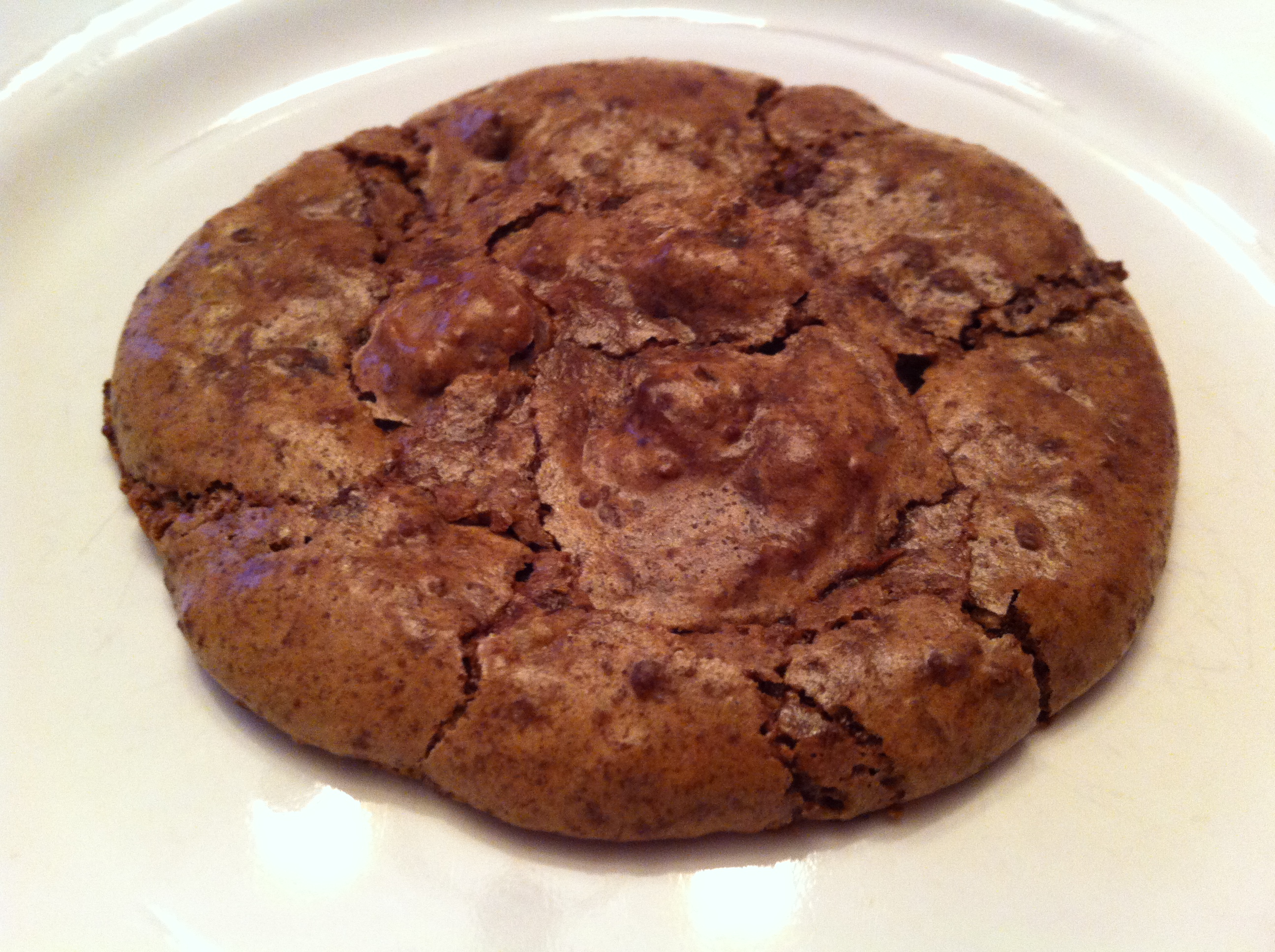
pfeffernussenGermans have been immigrating to America since the colonial days, bringing beer, hamburgers, and all manner of delicious baked goods with them. German Americans represent the largest ancestry group in the U.S., with about 50 million individuals tracing their heritage back to Germany. Mike is about three-quarters German, and I’m one-quarter, thanks to my mom’s mom, Genevieve Feaga (pronounced Fig-ee) O’Donnell.

Many Christmas traditions in the U.S. originated in Germany, from Christmas trees to gingerbread houses. Pfeffernüssen seem to be the über-spicy cousins of gingerbread, packing in cinnamon, allspice, cloves, nutmeg, and even pepper in their dough. The recipe below is slightly adapted from the Martha Stewart Cookie Book recipe; I increased my spices a bit and just used regular nutmeg and pepper, rather than freshly grated or ground, as I only had the regular kind. Also, I spiced these very generously; while I wouldn’t describe the spice measurements below as “heaping,” you definitely don’t need to be stingy when measuring.

Ingredients

  • 2 1/4 cup flour
  • 1/4 teaspoon baking soda
  • 1/4 teaspoon black pepper
  • 3/4 teaspoon cinnamon
  • 1/2 teaspoon allspice
  • 1/4 teaspoon nutmeg
  • 1/2 teaspoon cloves
  • 8 tablespoons butter, room temperature
  • 3/4 cup light brown sugar
  • 1/4 cup molasses
  • 1 egg
  • 1/2 teaspoon vanilla extract
  • 1 1/4 cup powdered sugar, for coating

Preparation

Preheat oven to 350 degrees. Line two baking sheets with parchment paper.

Place powdered sugar in a brown paper bag and set aside.

In a medium bowl, combine flour, baking soda, and spices; set aside.

In a mixing bowl, combine butter, brown sugar, and molasses. Beat on medium speed until fluffy, about 2-3 minutes.

Add egg and vanilla and mix until combined.

With the mixer on low, slowly add flour, mixing until just combined.

Using a 2-inch cookie scoop, scoop out dough, roll into balls, and place about 1 1/2 inches apart on prepared baking sheets.

Bake for 15-17 minutes, until tops crack and just begin to brown. Allow to cool for about 10 minutes.

Once cookies have cooled slightly, place 2-3 cookies in the brown paper bag at a time and gently shake to coat. Remove from bag and place on a wire rack to cool completely.


Vanilla Cream Pie

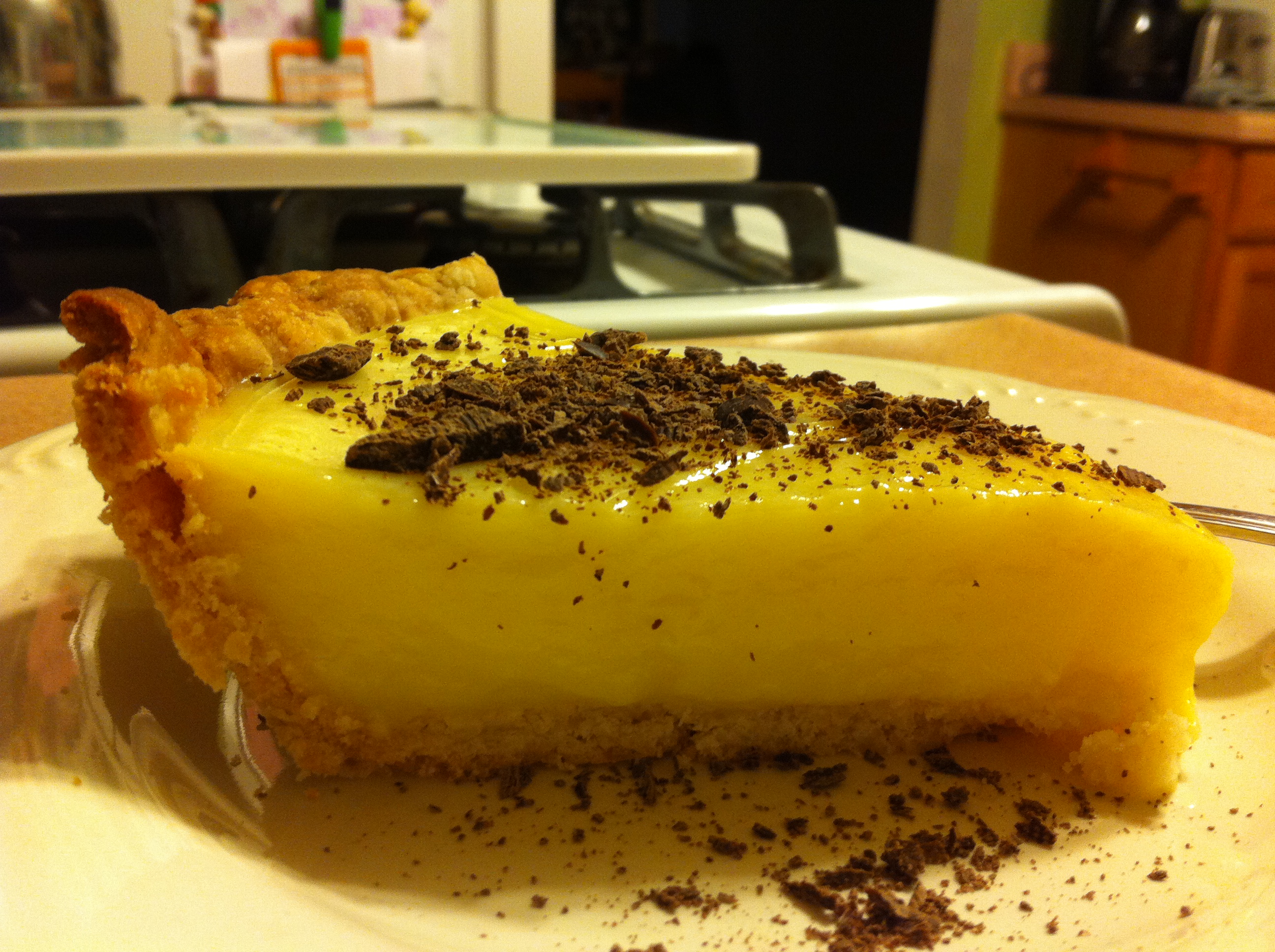
vanilla cream pie

Yesterday I attempted (twice) to make a butterscotch pie from a recipe written by a famous lifestyle maven. While I fully recognize that the maven and her test kitchen chefs likely possess culinary skills that surpass my own, I also sincerely believe there is something wrong with her recipe, in quantity or in process. Perhaps some step was left out, or there was an instruction regarding the temperature of an ingredient that no one thought to include. Either way, I gave it two good tries and ended up having to throw away a burnt-caramel-encrusted wooden spoon.

Fortunately, I had a pre-baked crust and four egg yolks waiting in the wings during the butterscotch disaster, so when I consulted my trusty Better Homes & Gardens 25th Anniversary Cookbook and discovered that vanilla cream pie called for both items, I knew it was meant to be. I’d never tempered eggs before, but with Mike’s help all went well. The end result is, quite seriously, one of the best pies I’ve ever had. So take that, lifestyle maven. The BH&G also has a butterscotch recipe, so stay tuned for that sometime soon.

Ingredients

  • 1 pie crust
  • 4 egg yolks
  • 3/4 cup sugar
  • 1/4 cup corn starch
  • 3 cups milk
  • 1 tablespoon butter
  • 1 1/2 teaspoons vanilla extract
  • Dark chocolate Hershey’s Kisses, for garnish, if desired

Preparation

To pre-bake the crust:

Preheat oven to 375 degrees.

Line a 9-inch pie plate with crust, trim edges, and prick bottom with a fork. Line crust with parchment and fill with dried beans or pie weights; bake for 15 minutes, then remove the beans/weights and parchment and continue baking for another 15 minutes, until edges are golden brown. Allow crust to cool completely before filling.

To make the filling:

Place egg yolks in a large glass measuring cup and beat lightly; set aside. Using a measuring cup will make it easier to pour the tempered egg yolk mixture back into the pan of filling later.

In a medium saucepan, whisk together sugar, corn starch, and milk until very well combined. Cook until thickened and bubbly, stirring frequently. Once bubbles form, cook and stir 2 minutes more.

Remove from heat and slowly pour about 1 cup of the filling mixture into the egg yolks, whisking constantly to temper. Pour egg yolk mixture back into the pan of hot filling and bring to a very gentle boil. Cook and stir 2 minutes more.

Remove from heat and stir in butter and vanilla extract until very well combined.

Pour filling into cooled pre-baked crust and gently press plastic wrap on the top of the filling. Refrigerate for at least 3 hours before serving; my pie was refrigerated overnight.

If desired, chop or grate dark chocolate Hershey’s Kisses and sprinkle over the top of the pie before serving. Whipped cream would also be a great topping idea.

Wondering what to do with four leftover egg whites? Use three of them for coconut macaroons and the remaining white to make a half-batch of cocoa meringues.


Peanut Butter Chocolate Chip Cookies

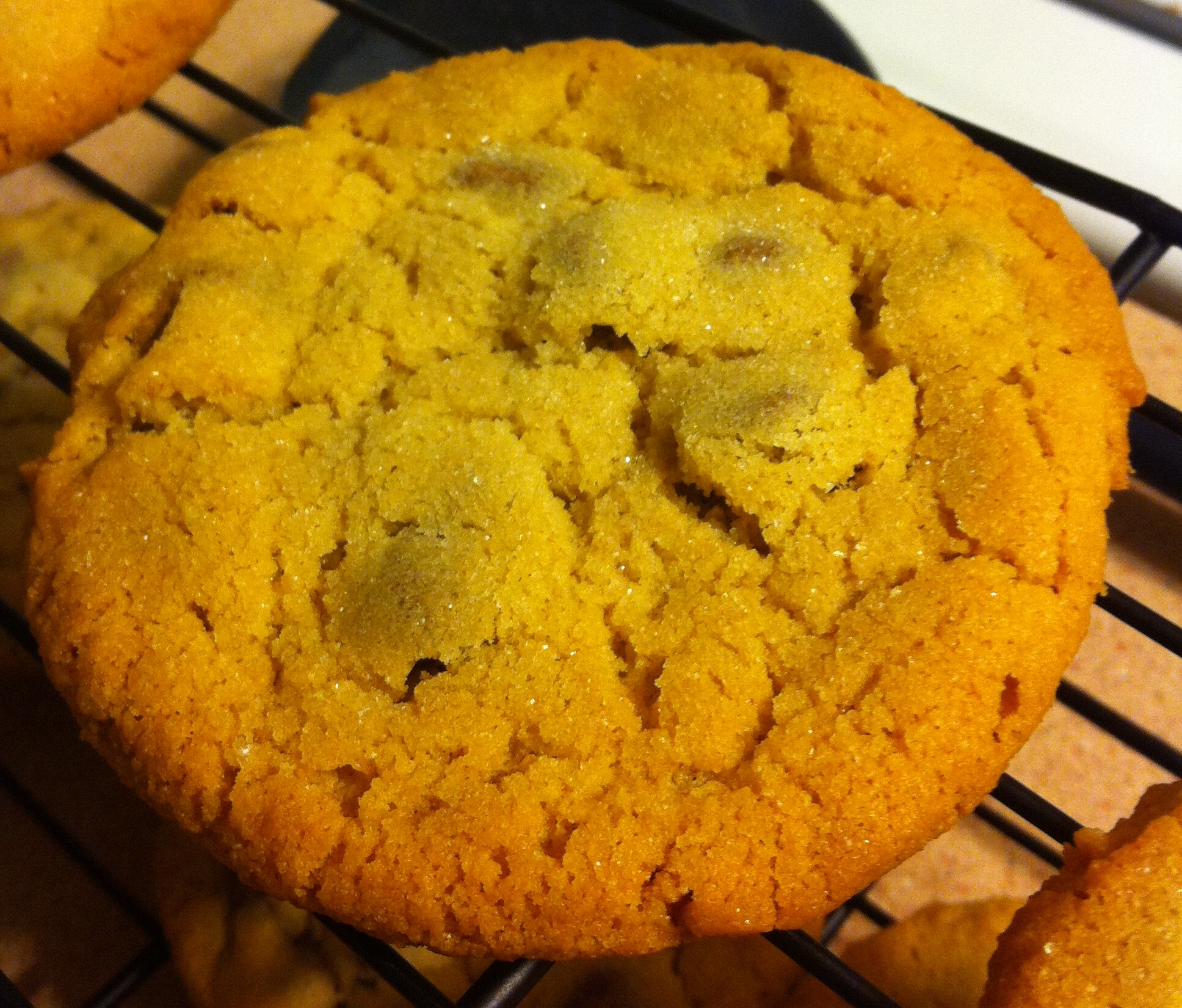
IMG_1597I’ve been away from my oven for the past two weekends, first traveling for work and then sidelined with a cold. Today, I simply needed to bake something.

My health coach recently asked me what I love about baking, and I told her that I love both the structure and creativity of it. You can look at a recipe and know, with some certainty, how it will turn out, but you also have the power to add or omit or change a few ingredients and come up with something entirely different. This recipe is a good example of that creativity, as it blends two classic cookies, the peanut butter cookie and the chocolate chip cookie, and makes them into something new and delicious.

Just a few notes about these treats: while they’re baking, you want to keep a close eye on them, because they over-bake very quickly. Check them around 10 minutes in the oven, then give them another minute or two, but make sure you pull them when they’re golden brown at the edges and still just slightly raw-looking in the centers. Don’t worry about under-baking them; they’ll continue to bake for a few minutes while they cool on the cookie sheets anyway, but you won’t be able to achieve the soft, chewy texture you’re after if you bake them too long.

Ingredients

  • 1 1/2 cups flour
  • 1 teaspoon baking soda
  • 1/2 cup sugar
  • 1/2 cup brown sugar
  • 1 cup butter, softened
  • 1/2 cup peanut butter
  • 1 teaspoon vanilla
  • 1 egg
  • 1 12-ounce bag milk chocolate chips
  • About 1/4 cup sugar, for pressing onto tops of cookies before baking

Preparation

Preheat oven to 350 degrees.

Line several baking sheets with foil or parchment paper.

In a small bowl, combine flour and baking soda; set aside.

In a mixing bowl, cream together white sugar, brown sugar, butter, peanut butter, and vanilla, scraping sides of the bowl frequently.

Add egg and beat well.

Add flour mixture in two batches, mixing until well-combined.

Stir in chocolate chips.

Using a 2-inch cookie scoop, drop scoops of dough about 2 inches apart on prepared baking sheets.

Butter the bottom of a glass and dip it into sugar, then press onto each scoop of dough to flatten. You’ll need to dip the glass into the sugar before flattening each scoop of dough.

Bake for 10 minutes and check progress; cookies are done when their edges are golden brown but the centers appear just slightly raw. Average baking time is 12-14 minutes, depending on your oven. Remove cookies from oven and cool for 5 minutes on cookie sheets before transferring to a wire rack to cool completely.


Zucchini Bread

zucchini breadYes: I am baking with vegetables. People who know me well will be astonished by this, given that until recently I’ve lived a fairly vegetable-free life. My aversion to these nutritional powerhouses began early in life, and I’ve kept most vegetables at arm’s length (or hidden in mashed potatoes, so I don’t really have to taste them) until the last month or so.

You’d think that a kid raised by health and phys ed teachers would eat spinach omelets for breakfast, salads for lunch, and grilled veggies for dinner…but you’d be wrong. I’ve spent most of my life shunning veggies, especially the green ones…and most especially, the leafy green ones. But last month, I committed to improving my overall health and began to work with a health coach (read: my friend and former intern Kate, who is awesome) and she’s helping me figure out ways to sneak vegetables into foods that I already like. Enter zucchini bread.

Skeptical, I was, but curious too. As the bread baked, a lovely cinnamon aroma wafted from my kitchen. Once cool, I cut a slice, then stared it down. I could do this, right? Long ago I adopted an attitude of no fear in my baking, so why should tasting be any different? For the record: this bread tastes amazing. It’s cinnamony and moist and studded with chocolate chips, which makes anything better, really. If all vegetables tasted like this, I’d be the healthiest person in the world.

Ingredients

  • 3 cups flour
  • 1 teaspoon salt
  • 1 teaspoon baking soda
  • 1 teaspoon baking powder
  • 3 teaspoons cinnamon
  • 3 eggs
  • 1 cup vegetable oil
  • 2 1/4 cups sugar
  • 3 teaspoons vanilla extract
  • 2 cups grated zucchini
  • 1 cup milk chocolate chips

Preparation

Preheat oven to 325 degrees.

Spray two 8 x 4 loaf pans with baking spray.

In a large bowl, combine flour, salt, baking soda, baking powder, and cinnamon; set aside.

In a medium bowl, combine eggs, vegetable oil, sugar, and vanilla, mixing well. Add to dry ingredients and stir until well-combined and no dry streaks remain.

Add zucchini and chocolate chips and stir to combine.

Divide batter evenly between loaf pans.

Bake for 60-65 minutes, until a cake tester comes out clean. Cool completely before serving.

Chocolate Donuts

chocolate donuts
Last week’s apple cider donuts left me with about a cup of buttermilk. And what does a baker do with leftover buttermilk, you ask? She makes more donuts. 

Buttermilk used to be the liquid that was left over after churning butter, but today, it’s the result of adding a lactic acid bacteria culture to pasteurized milk. I’m not sure if there is a chemical reason why one would use buttermilk in baking, but there’s a definite flavoring difference, much like when you employ sour cream in a cake or dough, that can’t be achieved with regular milk.

Some recipes call for buttermilk or “sour milk,” which is made by mixing regular milk with lemon juice or vinegar. For these donuts, I’d stick to the real thing if you can. Flavor-wise, they’re a rich chocolate, and could be glazed with a vanilla icing or simply dusted with powdered sugar. Full disclosure: last night, I ate one and a half donuts with whipped cream as dessert. Because sometimes, you just need to do things like that.

Also important to note: this recipe would be easy to double to make one dozen donuts; the recipe below yields 6.

Ingredients

For the donuts

  • 1 cup flour
  • 1/4 cup unsweetened cocoa powder
  • 1/2 teaspoon baking soda
  • 1/4 teaspoon salt
  • 1/2 cup buttermilk
  • 1/2 cup dark brown sugar, packed
  • 1 egg
  • 4 teaspoons butter, melted
  • 1 teaspoon vanilla

For the chocolate glaze

  • About 1 1/4 cups powdered sugar
  • 1 tablespoons unsweetened cocoa powder
  • 2 tablespoons milk
  • 1/4 teaspoon vanilla extract

Preparation

Preheat oven to 325 degrees.

Grease one donut pan with baking spray.

In a medium bowl, combine flour, cocoa powder, baking soda, and salt; set aside.

In a small bowl, combine buttermilk, brown sugar, melted butter, and vanilla.

Add wet ingredients to dry ingredients and stir until well-combined.

Using two teaspoons from your tableware, drop batter into donut wells, divingind batter evenly and filling about 3/4 full; smooth the tops as best you can with wet fingers or the back of a spoon.

Bake for 13 minutes; remove from oven and allow to cool before dipping in glaze.

To make the glaze: combine all ingredients in a small bowl and mix well to a very smooth consistency. Add more powdered sugar if your icing is too thin; you want to be able to dip each donut into the glaze easily, but you don’t want it to be too runny.

Place waxed paper beneath the cooling rack to catch any drips. Dip each donut into the glaze, coating the top well, then place on the cooling rack to set. Store in a single layer.

Apple Cider Donuts

photoOne of my greatest dreams in life is to visit the King Arthur Flour store in Norwich, VT. I can just picture it: aisle after aisle of baking pans, mixing bowls, kitchen scales, flours, extracts, chocolate chips…every tool and ingredient a baker could possibly want, all under one roof.

The donut pans I used for this recipe are King Arthur Flour pans; I have the miniature donut pan as well, but for this recipe, I recommend using the full-sized versions. The apple cider in the batter yields a fluffy, airy texture, and I highly recommend using good-quality cinnamon, such as Vietnamese cinnamon (also available at King Arthur Flour, or Penzey’s), for the cinnamon-sugar coating. If you’d rather not dip your still-warm donuts in melted butter then coat them in cinnamon sugar, try a glaze made from powdered sugar and apple cider…which is what I’ll do next time.

Ingredients

Donuts

  • 2 cups flour
  • 3/4 cup sugar
  • 1 1/2 teaspoon baking powder
  • 1/4 teaspoon baking soda
  • 1 teaspoon salt
  • 2 eggs
  • 1/2 cup apple cider
  • 1/4 cup buttermilk
  • 2 tablespoons butter, softened
  • 1 heaping teaspoon cinnamon

Cinnamon Sugar Coating

  • 1 stick butter
  • 1/2 cup sugar
  • 2 teaspoons cinnamon

Preparation

Preheat oven to 325 degrees.

Spray two donut pans with cooking or baking spray; set aside.

In a medium bowl, combine flour, sugar, baking powder, baking soda, and salt; set aside.

In another medium bowl, combine eggs, apple cider, buttermilk, butter, and cinnamon; mix well.

Add wet ingredients to dry ingredients and stir until just combined; you will still have flecks of butter visible, and that is okay; the batter will be very thick.

Spoon batter into prepared pans, filling about 3/4 full. Smooth tops of donuts with wet fingers.

Bake for 22-25 minutes, until tops are just golden brown.

Remove from pans immediately and allow to cool for just a few minutes while you prepare the cinnamon sugar coating.

Melt butter in a microwave-safe bowl; set aside.

Combine sugar and cinnamon, mixing well.

Dip donuts, while still warm, into the butter on both sides, then dip immediately in cinnamon sugar.

Serve warm or allow to cool.


Pumpkin Biscotti

pumpkin biscottiFun with biscotti continues! Today’s batch is a spiced pumpkin variety, with lovely fall spices like cinnamon, cloves, nutmeg, and ginger to scent my kitchen. Today, I’ve become aware of why some biscotti are much crunchier than others: it’s all in the total baking time. Surely, total baking time will affect the texture of a treat; this makes perfect sense, but was not something I thought about until I experimented with two different biscotti recipes this weekend.

Yesterday’s vanilla biscotti baked for a total of 50 minutes; 25 as a log, with 20 minutes for resting before the final 25 minutes for outer crisping. Today’s pumpkin biscotti baked for nearly two hours, so I wasn’t surprised to find it very crunchy, definitely more appropriate for dipping into coffee or tea than yesterday’s vanilla (though I’m sure you could dip yesterday’s vanilla into coffee or tea and enjoy it just as well).

Ingredients

  • 2 eggs
  • 3/4 cup canned pumpkin puree (not pie filling)
  • 1 cup sugar
  • 2 1/3 cups flour
  • 1 teaspoon baking soda
  • 1/2 teaspoon cinnamon
  • 1/4 teaspoon ginger
  • 1/4 teaspoon nutmeg
  • 1/4 teaspoon cloves
  • 1/4 teaspoon salt

Preparation

Preheat oven to 300 degrees.

Line a baking sheet with parchment paper.

In a mixing bowl, combine eggs, pumpkin, and sugar; beat on low speed until well-combined.

Add dry ingredients and mix until well-combined.

Spoon dough onto the prepared baking sheet and, using a spatula, form it into a log of even thickness.

Bake for 50 minutes; remove from oven and allow to rest for 10 minutes.

Transfer the log to a cutting board and slice into wedges about 1/2 inch thick; you may need a second baking sheet lined with parchment to accommodate all of the wedges.

Return wedges to the oven and bake for 25 minutes; flip each wedge over and bake another 25 minutes.

Cool on a wire rack.


Vanilla Biscotti

vanilla biscottiTwice-baked, biscotti is one sturdy cookie. Last weekend, I visited Enrico Biscotti in the Strip District and picked up a half-dozen of my favorites; almond, hazelnut, lemon, vanilla, chocolate almond, and even a doggie biscotti, flavored with cheese and bacon, for Millie.

I aspire to make the heavenly, crumbly biscotti like they make at Enrico, but I’ve got a ways to go. This weekend, I’m practicing with today’s vanilla and tomorrow’s pumpkin (stay tuned). The recipe below is a slight adaptation from one I found online, adding a small amount of liquid to help the dough come together.

Ingredients

Biscotti

  • 2 eggs
  • 2/3 cup sugar
  • 1/2 teaspoon salt
  • 1 vanilla bean
  • 2 cups flour
  • 1/2 teaspoon vanilla extract
  • 1 1/2 teaspoons water

Chocolate Glaze

  • 1 cup semisweet chocolate chips
  • 2 tablespoons shortening

Preparation

Preheat oven to 350 degrees.

Line a baking sheet with parchment paper.

Cut vanilla bean lengthwise with a sharp knife and scrape out seeds; discard pod.

In a mixing bowl, combine eggs, sugar, salt, and vanilla seeds and beat on medium speed until frothy.

Gradually add flour, mixing on low speed until dough begins to look like large crumbs.

Add vanilla extract, then water, mixing on low speed until dough begins to stick together. Keep a close eye on the dough, as you don’t want it to be too wet.

Shape the dough into a log and press it onto the prepared baking sheet; dust very lightly with flour and gently roll with a rolling pin to flatten into a log about 1-inch thick.

Bake for 25 minutes; remove from oven and let stand on baking sheet for 20 minutes.

Turn oven down to 325 degrees; transfer still-warm log onto a cutting board and cut into wedges about 3/4 inch thick. Return to baking sheet and bake for 15 minutes, then flip each biscotti over and continue baking for another 10 minutes.

Remove from oven and allow to cool completely before dipping.

To make chocolate glaze, combine chocolate chips and shortening in a small saucepan and melt together on low heat, stirring until smooth. Dip biscotti into glaze, then set on parchment paper to set.

Lemon Poppy Seed Pound Cake

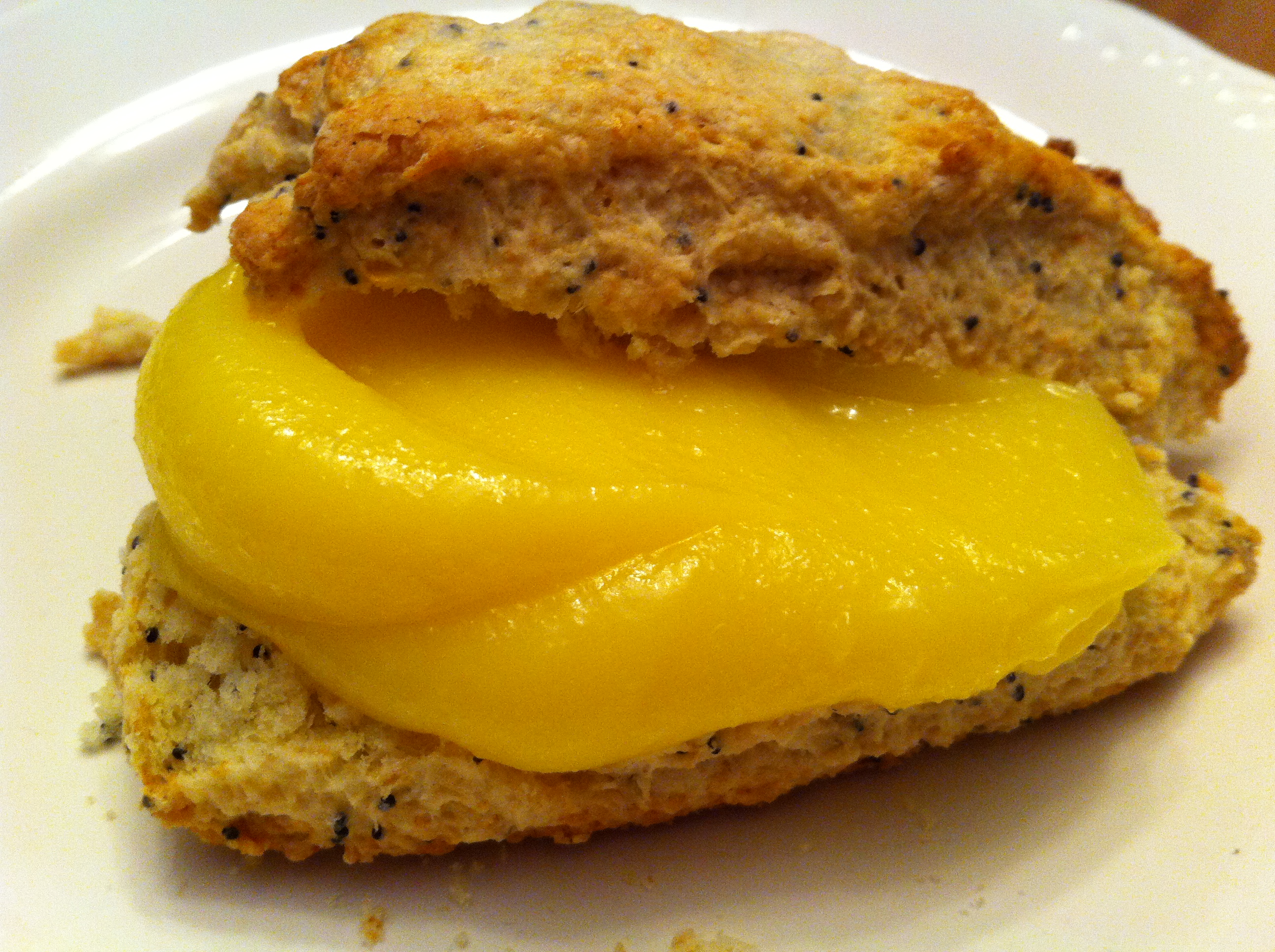
lemon poppy pound cakeYesterday, I met my dear friend Carrie and her family in Pittsburgh’s Strip District. One of my favorite ways to spend a Saturday is browsing in the Strip, and I was so glad to get to share this experience with Carrie, her husband, and their two children. Carrie’s family lives in State College and we don’t get to visit as often as I’d like, but we had a nice time among the fascinating foods, spices, and treats on Penn Avenue.

At lunch at a seafood restaurant, Carrie and I marveled at the things that people imagined they could eat—mussels, lobsters, crabs. Poppy seeds are among such ingredients for me, as I have no idea why someone once looked at a poppy and thought, hmm, I bet I could cook with those seeds in there.

Interestingly enough, Carrie and I also just had a discussion about the difference between cupcakes (small cakes) and muffins (small quick breads), because though this recipe was billed as a bread I believe it to be much more of a pound cake, given its inclusion of butter and its method of preparation. Once it is completely cooled, I might whip up some lemon powdered sugar drizzle icing for the top, but I believe it’s going to be quite tasty either way.

Ingredients

For the cake

  • 3 eggs
  • 1 1/2 vanilla extract
  • 1/4 cup milk
  • 1 1/2 cups flour, sifted
  • 3/4 cup sugar
  • 1 teaspoon baking powder
  • 1/4 teaspoon salt
  • zest of 1 medium lemon
  • 3 tablespoons poppy seeds
  • 13 tablespoons butter, at room temperature

For the lemon syrup

  • 1/4 cup fresh lemon juice
  • 1/3 cup sugar

Preparation

Preheat oven to 350 degrees.

Spray an 8 x 4 loaf pan with baking spray, line the bottom with parchment, and spray the parchment.

In a small bowl, whisk together eggs, vanilla, and milk; set aside.

In a mixing bowl, beat flour, sugar, baking powder, salt, lemon zest, and poppy seeds until combined.

Add butter and half of the egg mixture, beating on low speed until moistened. Increase speed to medium and beat for about 1-2 minutes, until ingredients are very well-incorporated.

Scrape down the bowl and add remaining egg mixture in two batches, beating for about 30 seconds after each. You may need to scrape the bowl a few more times to fully incorporate all of the ingredients and to make sure there are no lumps in the batter.

Pour batter into prepared loaf pan. Bake for 30 minutes, then cover with foil and bake another 25-30 minutes, until a cake tester comes out clean. The edges of the cake will be very dark, but that is okay.

In the last 10 minutes of baking, prepare lemon syrup; combine lemon juice and sugar in a small saucepan, stirring and boiling until the sugar dissolves.

As soon as the cake comes out of the oven, prick it with a cake tester or thin wooden skewer and brush half of the lemon syrup over the top. Let cool in the pan for 10 minutes, then remove from pan, invert on a cooling rack sprayed with baking spray, and prick the bottom and sides, brushing with remaining syrup.

Cool completely, then wrap in foil. Store overnight before serving so that the lemon syrup has time to absorb; top with lemon drizzle icing if desired.


Apple Cider Cupcakes

apple cider cupcakesApples are cultivated throughout the world, from the United States to Italy to India. There are literally thousands of different cultivars of apples, ranging in color, flavor, texture, and usage. For the same kind of fruit, it’s pretty amazing to think about how different each apple can taste from the next, from a tart Granny Smith to a sweet Honey Crisp. I’m a fan of the Rome, Gala, and Golden Delicious varieties, but I always prefer to bake with a blend of sweet and tart apples in pies.

To me, apple cider is like apple juice’s tangy sibling, and I’ve seen it in a variety of recipes lately, mostly for doughnuts. I came across this cupcake recipe on Pinterest, though the original was paired with a caramel buttercream. I’ve frosted these cupcakes with my traditional caramel frosting, but I have to admit: I think a simple glaze icing, or even just a sprinkling of sifted powdered sugar, would have been a better choice. The cupcakes themselves are light and spongy, and while the caramel flavor in the frosting pairs well with the spicy apple flavor in the cupcakes, it’s a bit denser than necessary. Next time, I’ll likely opt for a different frosting, if I frost them at all.

Ingredients

  • 1 2/3 cups flour
  • 2 teaspoons baking powder
  • 1 teaspoon cinnamon
  • 1/2 teaspoon salt
  • 8 tablespoons butter, at room temperature
  • 2/3 cup sugar
  • 2 eggs, at room temperature
  • 1 cup apple cider

Preparation

Preheat oven to 350 degrees.

Line one 12-count cupcake tin with paper liners.

In a small bowl, sift together flour, baking powder, cinnamon, and salt; set aside.

In a mixing bowl, cream together butter and sugar until light and fluffy.

Add eggs, one at a time, beating well after each addition. Scrape the bowl frequently.

Add flour mixture and cider alternatively, in thirds, beating until just combined after each addition and ending with the flour.

Scoop batter into prepared tin, filling cups about 3/4 full.

Bake for 20-22 minutes, until a cake tester comes out clean.

Cool completely before frosting or serve plain. These cupcakes are tasty enough on their own!