Pink Flower Cupcakes

IMG_1812Cupcakes may be trendy, but they’re also quite practical for special occasions. They require no plates or forks, so they’re easy to serve and eat. They can be easily customized in flavor pairings, in that you can bake a batch of almond cupcakes and frost half with vanilla buttercream and the other half with chocolate to meet the varied preferences of your guests. Cupcakes can also be decorated very simply to look fun, whimsical, or elegant, whatever you choose.

These cupcakes were baked for a friend of a friend who is hosting a baby shower this weekend and were very simple to make, requiring one batch of almond cupcakes and one batch of vanilla buttercream. And, as this shower is celebrating the impending arrival of a baby girl, they are also very, very girly.

When tinting your frosting, keep in mind that gel food coloring yields bolder colors than liquid food coloring, so you probably don’t need as much as you think in order to get the color you want. You can always make a color darker, but it’s next to impossible to make a color lighter once you’ve tinted it.

Ingredients

White Cupcakes

  • 2 cups flour
  • 1 teaspoon baking powder
  • 1/2 teaspoon baking soda
  • 1/8 teaspoon salt
  • 1/2 cup shortening
  • 1 3/4 sugar
  • 1 teaspoon vanilla
  • 4 egg whites
  • 1 1/3 cup buttermilk
  • 1 recipe vanilla buttercream
  • Pink gel food coloring
  • Leaf green food coloring
  • White and yellow flower-shaped sprinkles

Preparation

Preheat oven to 350 degrees.

Line two 12-cup muffin tins with paper liners.

In a medium bowl, stir together flour, baking powder, baking soda, and salt; set aside.

In a mixing bowl, beat shortening and sugar together until creamy. Add vanilla and beat until combined, then add egg whites, one at a time, beating well after each addition.

Add flour mixture and buttermilk alternatively, starting and ending with the flour, beating until just combined after each addition.

Using a 2-inch cookie scoop, scoop batter into prepared tins, filling no more than half-full.

Bake for 18-20 minutes, until tops are light golden and a cake tester inserted in the middle of a few cupcakes comes out clean.

Cool on a wire rack before frosting.

To frost:

Prepare vanilla buttercream.

Reserve about 1 cup of frosting to tint green. Tint the remaining frosting light pink and frost each cupcake, creating a relatively smooth surface.

Add more pink food coloring to the pink frosting to darken the color. Fit a 12-inch pastry bag with a star tip and pipe flower shapes on each cupcake; mine were off-center to look more whimsical.

In the center of each dark pink flower, place a white or yellow flower-shaped sprinkle.

Tint the reserved frosting green by adding a very small amount of leaf green food coloring. Fit an 8-inch pastry bag with a plain tip, then pipe on flower stems. Remove the plain tip and replace with a small leaf tip; pipe on leaves.

Peppermint Pattie Cake

peppermint pattie cakeDark chocolate and peppermint are great friends. Perhaps the most famous product with this combination is the York Peppermint Pattie, another amazing confection pioneered right here in the Commonwealth of Pennsylvania in the 1940s.

This cake tastes much like a York Peppermint Pattie, even though the candies aren’t used in the recipe. Next time, instead of crushing red and white mints for the cake’s garnish, I’d like to cut Peppermint Patties into halves or quarters and place them along the edge of the cake for the border. One other item to note about this recipe: the original recipe that I found online called for 3/4 cup of boiling water to be stirred in by hand once all of the other ingredients were blended. This seemed like far too much liquid to me, so I used 1/2 cup…which in hindsight was still too much liquid. Although the cake turned out well, the center fell significantly during cooling, so next time I’ll use no more than 1/4 cup.

Ingredients

For the dark chocolate sheet cake:

  • 2 cups sugar
  • 1 3/4 cups flour
  • 3/4 cup Dutch process cocoa
  • 1 1/2 teaspoons baking powder
  • 1 1/2 teaspoons baking soda
  • 1 teaspoon salt
  • 2 eggs
  • 1 cup milk
  • 1/2 cup vegetable oil
  • 2 teaspoons vanilla extract
  • 1/4 cup boiling water

For the peppermint vanilla buttercream frosting:

  • 8 tablespoons butter, softened
  • 2 1/2 cups powdered sugar, sifted
  • 2 teaspoons peppermint extract
  • 1/2 teaspoon vanilla extract
  • 2 tablespoons heavy cream
  • red and white peppermint candies, crushed (optional)

Preparation

Preheat oven to 350 degrees. Spray a 9 x 13 pan with baking spray.

Place sugar, flour, cocoa, baking powder, baking soda, and salt in a mixing bowl and stir to combine. Add eggs, milk, vegetable oil, and vanilla and beat on medium speed for 2 minutes, until very well combined.

Gently stir in boiling water by hand; batter will be thin. Pour into prepared pan and bake for 35-40 minutes, until a cake tester inserted in the center comes out clean. Cool completely in pan before frosting.

To prepare the frosting, place butter in a mixing bowl and beat on medium speed for 1 minute using a paddle attachment. Add powdered sugar and beat on low speed until the sugar is fully incorporated; this will take several minutes. I cover my mixer with a kitchen towel to prevent a powdered sugar storm.

Scrape the sides of the bowl and add peppermint extract, vanilla extract, and 1 tablespoon heavy cream. Beat until well combined, scraping sides of the bowl frequently; beat in additional tablespoon of heavy cream and continue beating for 1-2 minutes for a smooth, even consistency.

Frost the cake and sprinkle the edges with crushed peppermint candies if desired.

Old-Fashioned Sugar Cookies

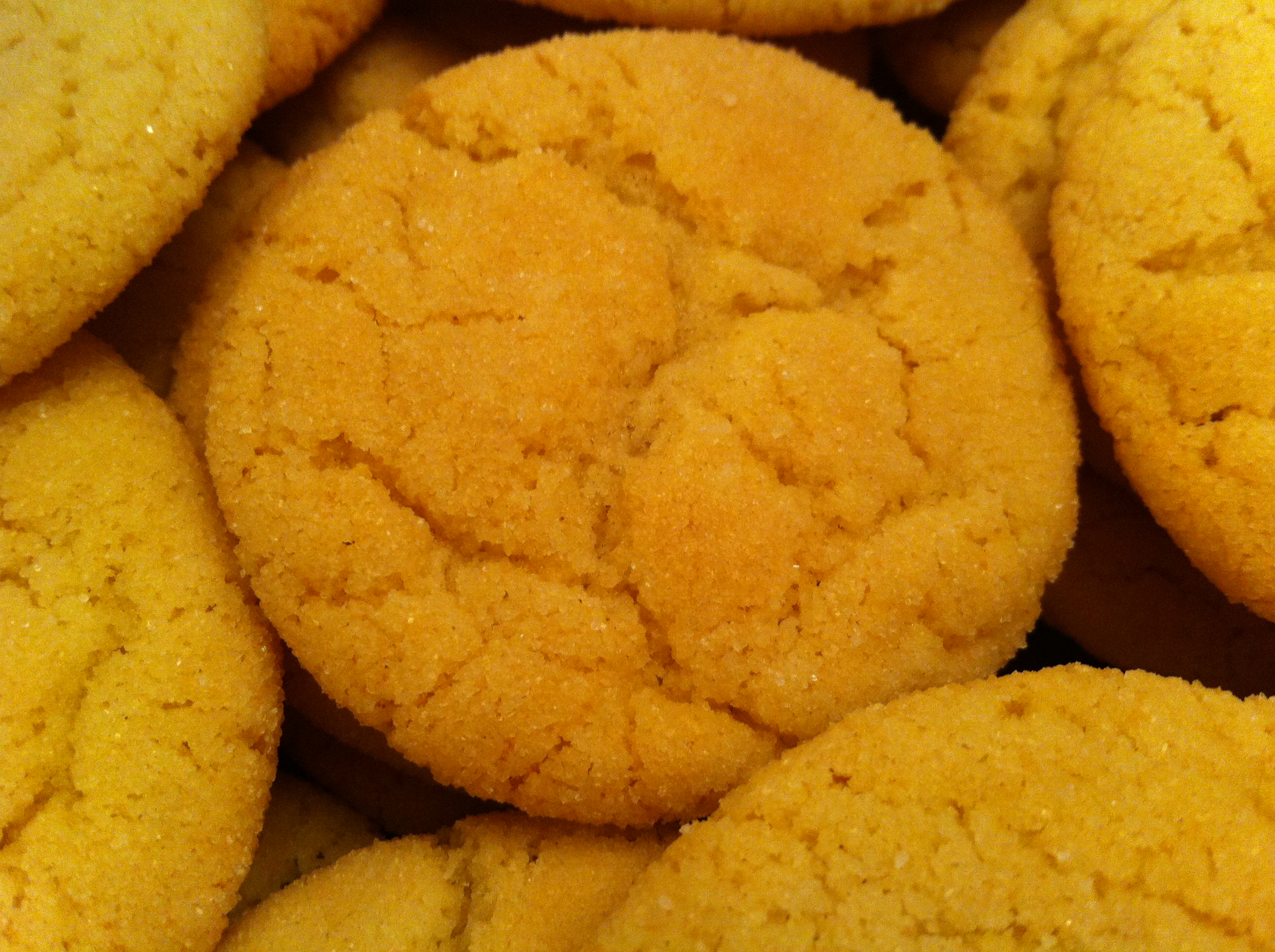
old-fashioned sugarsWhy do we leave out cookies and milk for Santa? Well, if you’re flying all around the world leaving gifts for all the good girls and boys, you’re probably in need of a bit of refreshment. Maybe one year, someone left Santa a note asking what he preferred, and he responded with a request for cookies and milk.

I bet Santa loves to visit the homes of bakers, where all manner of treats await. I also wonder what his favorite cookie is; there are so many to choose from, both store-bought and homemade. Does he like Oreos? Or Nutter Butters? Perhaps he prefers shortbread, or oatmeal raisin?

I like to think that Santa is an excellent judge of good cookies, and I bet he’d like this classic, old-fashioned sugar cookie. It is at once crunchy and soft, the kind of cookie that you’ll find in any bakery, the kind of cookie that needs no frosting to enhance its flavor…the kind of cookie that is perfect to leave on a plate next to your Christmas tree, in gratitude to Saint Nick and his kindness.

Ingredients

  • 1 cup butter, softenend
  • 1 1/2 cups sugar
  • 2 eggs
  • 1 teaspoon cream of tartar
  • 1 teaspoon baking soda
  • 1 teaspoon vanilla
  • 1/4 teaspoon salt
  • 2 3/4 cups flour
  • 1/2 cup sugar, for rolling

Preparation

In a mixing bowl, cream together butter and sugar until very well-combined.

Add eggs, cream of tartar, baking soda, vanilla, and salt; beat on medium speed until well-combined, scraping the sides of the bowl as necessary.

Gradually beat in flour, scraping the sides of the bowl to ensure that all flour is well-incorporated. Cover dough with plastic wrap and chill for about 1 1/2 hours, until dough is firm and easy to handle.

Preheat oven to 375 degrees. Line several baking sheets with parchment or foil.

Place 1/2 cup sugar in a small bowl.

Using a 1-inch cookie scoop, scoop out dough and roll into balls. Roll balls in sugar and place about 2 inches apart on prepared baking sheets.

Bake for 9-11 minutes, until tops are cracked and cookies are just golden. Cool on cookie sheets for about 5 minutes before placing on wire racks to cool completely.

Gingerbread House

IMG_1773Gingerbread houses are charming, aren’t they? I’ve never made one until today, and it didn’t turn out at all as I expected. Perhaps if I have a different recipe for both the gingerbread and the royal icing, I’ll give it another go someday. In fact, this is the first time I won’t post the recipes I used on this blog, because I truly believe there have to be better ones out there.

Like many shoddy construction jobs, I believe the fault in my house lies in my building materials. The gingerbread was far too soft, while the royal icing was far too hard. While I realize that royal icing is hefty stuff, designed to keep one’s gingerbread walls from caving in, mine turned out more like spackle…and it might have been easier to use actual spackle, since no one will be eating this.

Despite the recipe challenges, my end result is a cute and eco-friendly little structure. It’s small, with fairly thick walls, so it would be easy to heat and cool. And yes, those are supposed to be solar panels on the left side of the roof. Perhaps I could have constructed a wind turbine out of some pretzel sticks, but that’ll have to wait until next time.


Peppermint Meringues (Gluten-Free!)

peppermint meringuesMeringue cookies are a great option for using up leftover yolks; they’re easy to make, easy to adapt, and usually gluten-free, depending on what you combine with them.

The next time I make these cookies, I’ll do just a few things differently: first, I may bake them another 5 minutes or so, and second, I’ll remove them from the kitchen for cooling. The residual heat from my oven caused these meringues to get sticky within the first few minutes of cooling, which is something I haven’t experienced with meringues before. Despite their stickiness, they’re very nice peppermint treats, both with and without their chocolate enhancement!

Ingredients

  • 3 egg whites
  • 1/2 teaspoon cream of tartar
  • 1/2 teaspoon peppermint extract
  • pinch of salt
  • 3/4 cup sugar
  • red gel paste food coloring, for tinting

Chocolate Drizzle, for dipping cookie bottoms (optional)

  • 1/2 cup semisweet chocolate chips
  • 1 tablespoon shortening

Preparation

Preheat oven to 200 degrees. Line several baking sheets with parchment paper.

In a mixing bowl, combine egg whites, cream of tartar, peppermint extract, and salt; beat on medium speed until soft peaks form. Slowly add sugar and whip on high speed until stiff peaks form; when whites are approaching stiff peak stage, add red gel paste food coloring to tint.

Transfer meringue to a pastry bag fitted with a star tip and pipe 1-inch circles of meringue onto prepared baking sheets.

Bake for 1 hour and 15 minutes, until meringues are dry and firm when lightly touched. Transfer meringues to wire racks and cool completely in a cool room.

Optional: combine semisweet chocolate chips and shortening in a small saucepan and melt over low heat, stirring constantly. Dip bottoms of meringues in chocolate; place on parchment or waxed paper to harden.

Poppy Seed Scones with Lemon Curd

poppy seed sconesOne hundred and fifty recipes ago, I decided to become a blogger. You really have no idea how many recipes exist in the world until you become a food blogger, scouring the internet for the most interesting, challenging, tasty treats in existence. Many of my recipes have come from cookbooks and websites, but some of my favorites are the ones that I adapt from other bloggers. I feel a kinship with these individuals, who share my passion for this creative and delicious pursuit.

Two of my favorite ingredients are poppy seeds and lemons, so it’s fitting that tonight’s post involves both. Poppy seeds and lemons are good friends flavor-wise, so a basic poppy seed scone was easily enhanced with a bit of Meyer lemon zest and the lemon curd I made a few nights ago. If you’re out of lemon curd, you could boost the lemon flavor in these scones by covering them with a powdered sugar/lemon juice drizzle icing. 

Ingredients

  • 1 1/2 cups flour
  • 1/4 cup sugar
  • 1 1/2 teaspoons baking powder
  • 1/4 teaspoon baking soda
  • 1/8 teaspoon salt
  • 4 tablespoons cold butter, cut into small pieces
  • 1 tablespoon poppy seeds
  • 1 teaspoon lemon zest
  • 1/2 cup buttermilk, plus 1 tablespoon to brush on the tops of the scones
  • 1 egg, lightly beaten
  • About 1 tablespoon sugar, to sprinkle on the tops of the scones
  • Lemon curd, for serving

Preparation

Preheat oven to 400 degrees. Line a baking sheet with parchment paper. 

In a medium bowl, combine flour, sugar, baking powder, baking soda, and salt. Add butter and toss to coat, then rub the butter into the flour mixture with your hands until the mixture just begins to stick together when you pinch it between your fingers.

Add poppy seeds and lemon zest; stir with a fork to combine. 

Combine beaten egg and buttermilk and stir into the flour mixture until a soft dough forms. Turn dough out onto a lightly floured surface and knead a few times. Pat into an 8 x 4 rectangle and cut into quarters, then cut each quarter in half, yielding 8 scones.

Place scones on prepared baking sheet and brush with buttermilk, then sprinkle with sugar. 

Bake for 14-16 minutes, until tops are golden brown. Serve warm or cool with lemon curd. 

Butterscotch Pie

butterscotch pieCooking pie filling is a delicate business. Most recipes instruct you to cook your ingredients “until thickened and bubbly” before tempering with the egg yolks. This is a very subjective endeavor, when you think about it. Just how thick and bubbly is thick and bubbly enough, really?

I suspect that I under-cooked my filling for this pie, because it is far less solid than the filling in my vanilla cream pie from a few weeks back. It’s also far less butterscotch-like than I expected…not that it wasn’t very tasty.

Next time, I’ll use dark brown sugar, which in hindsight was probably what the author meant when they wrote “brown sugar” in the recipe. I’ll also cook the filling for a few more minutes, until thicker and bubblier, before tempering the eggs.

Ingredients

  • 1 pie crust
  • 1/3 cup flour
  • 1 1/2 cups packed brown sugar
  • 2 1/4 cups milk
  • 3 egg yolks
  • 2 tablespoons butter
  • 1 teaspoon vanilla

To pre-bake the crust:

Preheat oven to 375 degrees.

Line a 9-inch pie plate with crust, trim edges, and prick bottom with a fork. Line crust with parchment and fill with dried beans or pie weights; bake for 15 minutes, then remove the beans/weights and parchment and continue baking for another 15 minutes, until edges are golden brown. Allow crust to cool completely before filling.

To make the filling:

Place egg yolks in a large glass measuring cup and beat lightly; set aside. Using a measuring cup will make it easier to pour the tempered egg yolk mixture back into the pan of filling later.

In a medium saucepan, whisk together flour, brown sugar, and milk until very well combined. Cook until thickened and bubbly, stirring frequently. Once bubbles form, cook and stir 1 minute more.

Remove from heat and slowly pour about 1 cup of the filling mixture into the egg yolks, whisking constantly to temper. Pour egg yolk mixture back into the pan of hot filling and bring to a very gentle boil. Cook and stir 2 minutes more.

Remove from heat and stir in butter and vanilla extract until very well combined.

Pour filling into cooled pre-baked crust and gently press plastic wrap on the top of the filling. Refrigerate for at least 3 hours before serving; my pie was refrigerated overnight.


Lemon Curd

lemon curdWhat can I say about lemon curd? I love it. And now, I know how to make it…which makes me feel like a superwoman. There’s something about successfully tempering egg yolks that gives me an incredible sense of accomplishment, like I’ve just climbed the Mount Everest of confections.

I had six egg yolks left over from this weekend’s baking, and I wanted to use them all up in the same recipe. Fortunately, the recipe that I had for lemon curd was easily tripled to accommodate six yolks, and the adjusted recipe appears below. Also, I used Meyer lemons for this curd; Meyer lemons are thought to be a cross between a lemon and a clementine or orange and are native to China. I’ve been fascinated by Meyers for some time, and when Mike told me that Soergel Orchards had them in stock this week, I asked him to bring them home for me. You could certainly use regular lemons, of course.

Ingredients

  • 6 egg yolks
  • 6 teaspoons cornstarch
  • 1 cup sugar
  • 3/4 cup lemon juice (I used 6 small/medium-sized Meyer lemons)
  • zest of 3 lemons
  • 12 tablespoons butter

Preparation

Lightly beat egg yolks and pass them through a fine sieve to remove the albumin. Set aside in a medium bowl close to the stove for easy access; thoroughly wash your sieve and place it nearby for a second straining once the curd has cooked.

In a medium saucepan, whisk together cornstarch, sugar, lemon juice, and lemon zest until completely combined. Add butter and cook on medium heat until thickened and bubbly.

Working quickly, pour about half of the hot lemon mixture into the egg yolks, whisking constantly to temper. Pour egg mixture back into the pan and cook and stir for 2 minutes more.

Pour mixture through your sieve to remove the zest; press waxed paper (or plastic wrap) onto the surface to prevent a skin from forming. Once curd is completely cooled, place in an airtight container. According to various food safety websites and other food blogs, lemon curd should last in the refrigerator for a few weeks.

Hot Cocoa Cookies

hot cocoa cookiesI joined Pinterest several months back, at the recommendation of my friend Kerry from work. At present, my “baking” board has 246 pins…and it gets bigger every day. I also have boards that celebrate lemons, gardens, eco-friendly housekeeping practices, good advice, and movie villains, but more often than not, I pin things that involve butter and sugar.

Kerry is also active on Pinterest, and she recently confessed that she pins recipes in the hope that I’ll see them and bake them. This is one of those examples, as she requested hot cocoa cookies for our holiday party at the office today. The recipe below is actually an adaptation of a recipe that I found on another food blog and combined with my own chocolate drizzle instead of the recipe’s original chocolate icing. The end result is a rich treat that tastes remarkably like a cup of hot cocoa. Next time, I might try a peppermint drizzle, or even a caramel one.

Ingredients

For the cookies

  • 8 tablespoons butter
  • 1 12-ounce package semisweet chocolate chips
  • 1 1/2 cups flour
  • 1/4 cup cocoa powder
  • 1 1/2 teaspoons baking powder
  • 1/4 teaspoon salt
  • 1 1/4 cups packed light brown sugar
  • 3 eggs
  • 2 teaspoons vanilla extract
  • 15 large marshmallows, cut in half crosswise

For the chocolate drizzle

  • 1/2 cup semisweet chocolate chips
  • 1 tablespoon shortening

Preparation

In a medium saucepan, melt butter and chocolate chips. Set aside and allow to cool slightly.

In a medium bowl, combine flour, cocoa, baking powder, and salt; set aside.

In a mixing bowl, combine brown sugar, eggs, and vanilla and beat until well-blended. Add cooled chocolate and beat until combined.

With the mixer running on low, slowly add flour/cocoa mixture until a smooth dough forms. Cover dough with plastic wrap and chill for 1 hour.

Preheat oven to 325 degrees. Line several baking sheets with parchment paper.

Using a 2-inch cookie scoop, scoop out dough (dough will be very stiff at this point) and roll into balls. Place about 2 inches apart on prepared baking sheets, and flatten slightly with the palm of your hand. My recipe above yielded 30 balls of dough, but if yours varies, simply adjust the quantity of marshmallows for topping.

Bake for 12 minutes, then remove from oven and quickly top each cookie with one half of a marshmallow. Return to the oven and bake 3 minutes more; remove from oven once again and gently press the marshmallow down to flatten it just slightly. Allow to cool for 5 minutes on baking sheets, then place on a wire rack to cool completely.

Once cookies are completely cool, place waxed paper beneath the cooling racks to catch any drip from the chocolate drizzle. To prepare the drizzle, combine 1/2 cup chocolate chips with 1 tablespoon shortening in a small saucepan and melt over low heat, stirring constantly until smooth. Drizzle over cookies and allow to harden before serving.

Dark Chocolate Meringues (Gluten-Free!)

dark chocolate meringuesSeveral folks in my life are gluten-free, so it’s been interesting for me to experiment with gluten-free baking. Thus far, my gluten-free endeavors have centered in the macaroon/meringue world, including today’s dark chocolate meringues, but I do hope to branch out into non-wheat-based flours in the New Year.

I’ll admit that this recipe needs some work; it’s adapted from Ron Ben-Israel’s dark chocolate meringue recipe that was part of this year’s Food Network 12 Days of Cookies. And although I’m a huge fan of dark chocolate, this cookie is a bit too bitter even for me. I’m not sure how to tone down the bite in this cookie, but I’m certainly open to suggestions; so far I’m considering increasing the amount of nuts and perhaps using pecans instead of walnuts, and maybe using a blend of milk and dark chocolates, rather than all dark. This is the beauty of baking, though…the possibilities are endless!

Ingredients

  • 12 ounces dark chocolate chips (53% cacao)
  • 1/2 teaspoon vanilla extract
  • 1/4 teaspoon salt
  • 1 tablespoon vinegar
  • 4 egg whites
  • 1 cup sugar
  • 1/2 cup walnuts, finely chopped

Preparation

Preheat oven to 325 degrees. Line two baking sheets with parchment paper.

Melt chocolate in a microwave-safe bowl by microwaving in 30-second intervals, stirring after each, until chips are nearly completely melted. Remove bowl from microwave and stir until remaining chips melt completely. Allow to cool, but not to harden. Stir in vanilla. (Note: the chocolate thickened significantly after I stirred in the vanilla, so I kept stirring it to keep it smooth while the egg whites were whipping.)

Place salt, vinegar, and egg whites in a mixing bowl fitted with a whisk attachment and mix on medium speed until whites are foamy, about 1 minute. Add sugar in a steady stream with the mixer running and allow whites to whip to stiff peaks, about 4-5 minutes.

Stir about one-third of the whipped whites into the chocolate, then fold the combined whites/chocolate mixture into the remaining whites. It’s important to note that you want to keep the mixture as light as possible, but you do need to fold more firmly than you would normally in order to incorporate the chocolate mixture properly.

Fold in walnuts, then place the dough into a large resealable plastic bag (or pastry bag), snip off one corner, and pipe the dough in 1 1/2 inch circles on the parchment-lined baking sheets.

Bake both batches at once, for about 12 minutes. Cookies are done when the tops are shiny and cracked. Allow to cool for 10 minutes on baking sheets, then cool completely on a wire rack.